2026 Top Centrifugal Ventilation Fans for Global Buyers?
In the world of industrial ventilation, "Centrifugal Ventilation Fans" play a pivotal role. These fans are crucial in maintaining air quality. They help dissipate heat and remove fumes in various settings. Understanding their applications is vital for global buyers.
Choosing the right centrifugal fan can be challenging. There are many options on the market. Reliability and efficiency vary widely across different brands and models. This guide aims to navigate the complexities of selecting the best fans. It draws on years of industry experience and expertise.
Buyers must consider specific requirements. For instance, airflow capacity, energy efficiency, and noise levels are key factors. It's also essential to ensure the fan meets safety standards. Not every product lives up to its claims. Being informed can save time and resources. Ultimately, the right choice can lead to improved operational efficiency.
Overview of Centrifugal Ventilation Fans: Types and Applications
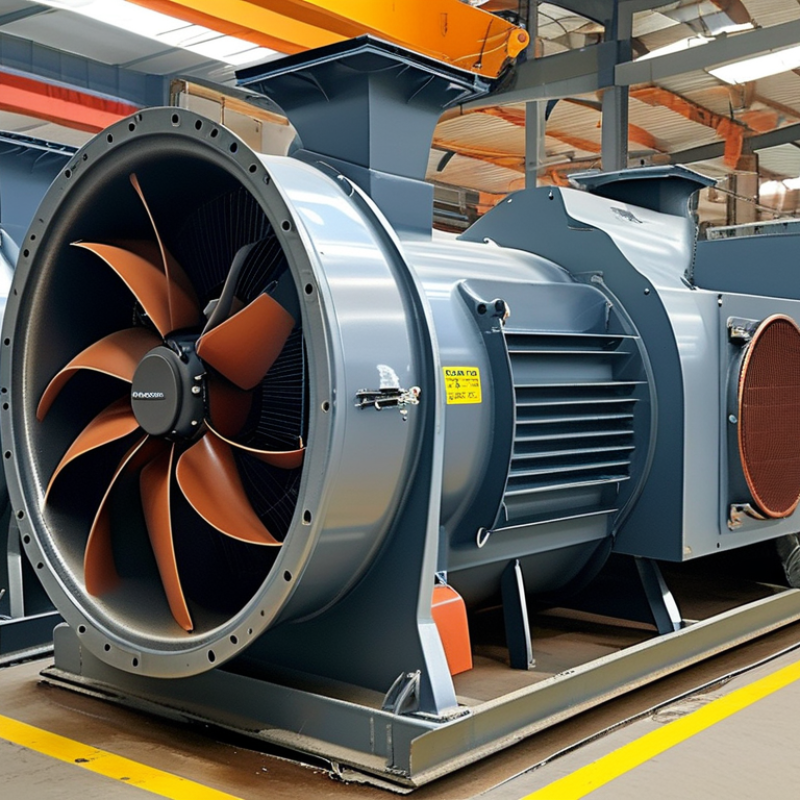
Centrifugal ventilation fans are essential in various industries. They efficiently move air, ensuring proper ventilation. These fans function by converting rotational energy into airflow. Understanding the types and applications of centrifugal fans is crucial for efficiency.
Different types of centrifugal fans exist. Forward-curved fans are commonly used in HVAC systems. They offer high airflow with low pressure. Backward-curved fans handle dust and heavy loads effectively. Each design caters to specific operational needs.
Applications vary widely. In agriculture, ventilation fans help control temperature and humidity. In manufacturing, they remove harmful fumes and particles. Some fans serve in clean rooms, maintaining air purity. Users must consider noise levels and energy consumption. These factors influence fan choice and effectiveness.
Market Trends in Centrifugal Ventilation Fans: Growth and Forecasts
As the demand for efficient air ventilation grows, centrifugal fans are gaining traction. These fans are popular due to their high efficiency and flexibility. Various industries are increasingly relying on them for effective airflow management. The market is witnessing significant growth, driven by various sectors, including manufacturing, construction, and HVAC.
Analyzing market trends is crucial for understanding future projections. Innovations in technology are enhancing fan performance and energy efficiency. This evolution poses challenges for traditional designs, pushing manufacturers to adapt. Buyers are also looking for products that meet sustainability criteria. Reducing energy consumption is a priority, which can be a complex task.
In projections, the market for centrifugal ventilation fans looks promising. However, various factors could influence growth, such as regulatory changes. Market participants must remain agile to navigate these shifts. Consumer needs may evolve, leading to a demand for customized solutions. Observing these dynamics will be essential for stakeholders aiming to thrive in this competitive landscape.
Key Factors Influencing the Selection of Centrifugal Ventilation Fans
Choosing the right centrifugal ventilation fan is crucial for efficiency and effectiveness in various applications. Several key factors impact this decision. One significant aspect is airflow capacity. Fans designed for specific environments must meet the airflow requirements to ensure proper ventilation. Understanding the size of the space and its ventilation needs is essential.
Another critical factor is noise level. Many industrial settings prioritize low noise operation. Selecting fans with sound-dampening features helps create a more comfortable working environment. Buyers should pay attention to the decibel ratings of the fans they're considering.
Energy efficiency also plays a pivotal role. High-efficiency fans save on electricity costs and reduce environmental impact. While initial investments may be higher for energy-efficient models, long-term savings are substantial. Buyers should evaluate the fan's energy rating, as this can greatly influence operating costs over time. Balancing performance, noise, and energy use can be challenging and requires careful consideration of specific needs.
2026 Top Centrifugal Ventilation Fans for Global Buyers
| Model |
Airflow (m³/h) |
Static Pressure (Pa) |
Power (kW) |
Efficiency (%) |
Noise Level (dB) |
Weight (kg) |
| CF-1000 |
1200 |
300 |
1.5 |
75 |
65 |
20 |
| CF-2000 |
1800 |
400 |
2.2 |
78 |
68 |
30 |
| CF-3000 |
2500 |
500 |
3.0 |
80 |
70 |
40 |
| CF-4000 |
3200 |
600 |
4.0 |
82 |
72 |
50 |
Top Brands and Manufacturers in the Global Centrifugal Fan Market
The global centrifugal fan market is bustling with various brands and manufacturers. Understanding the industry's key players can help buyers make informed choices. The market offers a mix of established names alongside emerging companies with innovative designs. Quality, performance, and reliability are essential factors in selecting a centrifugal fan.
One important tip is to consider the specific needs of your application. Fans are not one-size-fits-all. Examine the airflow requirements, pressure levels, and energy efficiency. Small adjustments can make a significant difference. Another tip is to explore customer reviews and technical resources. Real user experiences provide insights that can guide your decision.
In this competitive landscape, buyers often face overwhelming options. Reflecting on what you truly need will help clarify your choices. Compare features and pricing, but don’t overlook after-sales service and warranty options. Finding a balance between cost and quality is crucial.
Performance Metrics: Efficiency Ratings and Noise Levels of Fans
Centrifugal ventilation fans play a crucial role in maintaining air quality and comfort in various settings. When evaluating these fans, performance metrics like efficiency ratings and noise levels must be prioritized. According to industry reports, the average efficiency rating for centrifugal fans can range from 60% to 85%. Higher efficiency leads to reduced energy consumption, which is essential for both cost savings and environmental considerations.
Noise levels are another critical factor. Many fans operate in the range of 50 to 70 decibels. Fans operating at 50 decibels are generally considered quiet, suitable for residential or office environments. In contrast, those exceeding 70 decibels can be disruptive, particularly in sensitive settings. Opting for models designed with advanced noise-reduction technology can significantly enhance user comfort.
Tips: Always check the fan's efficiency label before making a purchase. Consider your environment's noise tolerance to find the right fit. Balancing performance and comfort is essential in selecting the right centrifugal fan. Evaluating these aspects can prevent potential discomfort and energy inefficiency in the long run.