What is Alloy Steel Roller Sleeve and Why Choose It?
When considering durable and efficient components for industrial applications, the Alloy Steel Roller Sleeve stands out. This high-performance sleeve is engineered to provide enhanced strength and resistance against wear. Industries rely on these sleeves for their superior load-bearing capabilities and longevity.
The Alloy Steel Roller Sleeve is not just about toughness; it also offers significant advantages in functionality. Its design allows for smoother operations and reduced friction, essential for machinery efficiency. Engineers often favor this material for its balance of affordability and high performance, making it a practical choice for various applications.
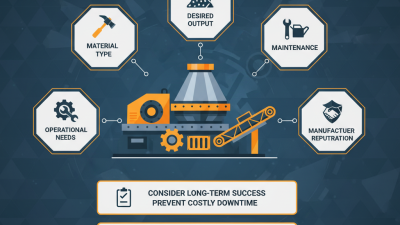
However, evaluating the right materials, including the Alloy Steel Roller Sleeve, can be challenging. Manufacturers must consider factors like the specific application and environmental conditions. This reflection on material choice is crucial, as the wrong selection can lead to performance issues and increased maintenance costs. Investing time in assessing alloy options is essential to achieve long-term operational success.
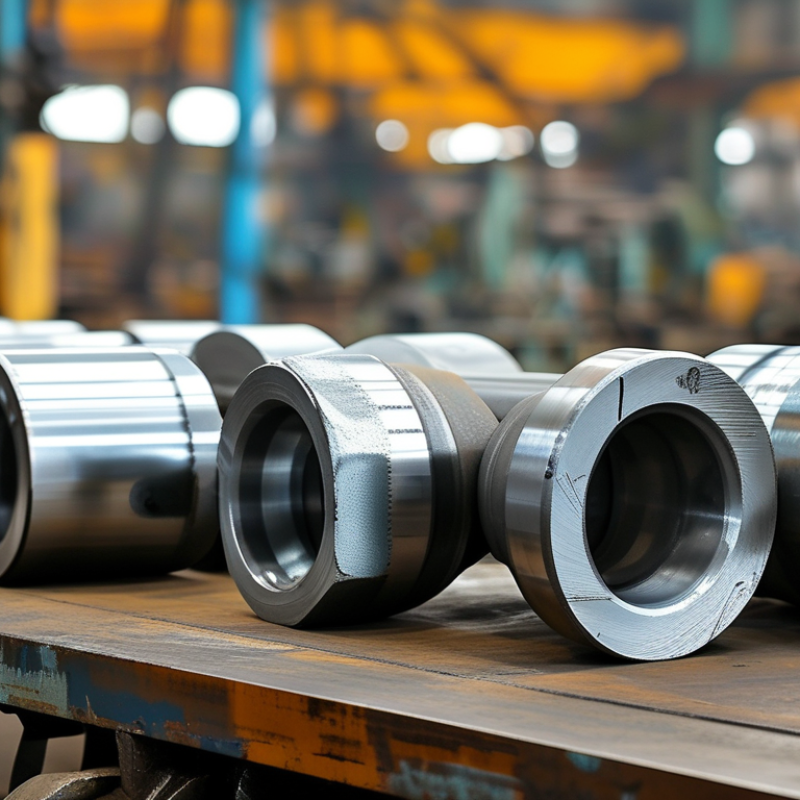
What is Alloy Steel Roller Sleeve: Definition and Composition
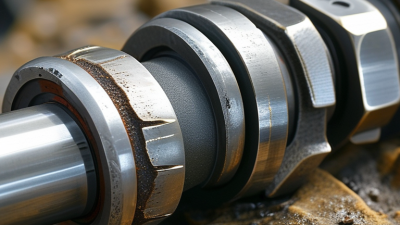
Alloy steel roller sleeves are integral components in various industrial applications. They are primarily defined by their composition, which includes iron, carbon, and alloying elements like chromium or manganese. This unique mixture enhances their durability and wear resistance, making them suitable for high-stress environments.
In industry reports, alloy steel is noted to possess better toughness and strength than standard steel. According to a recent study published by the International Journal of Materials, alloy steel's resilience can exceed traditional steel by up to 30%. This advantage translates to longer lifespans and reduced maintenance needs in machinery. Such attributes are essential for maintaining operational efficiency in manufacturing.
**Tip:** When selecting roller sleeves, consider their expected load and environment. This aids in minimizing potential wear and extending the product's life.
Despite their advantages, not all alloy steel components are created equal. Variations in the alloying process can lead to inconsistencies in performance. It's crucial to ensure the supplier adheres to industry standards. Regular assessment is recommended to verify the integrity of the materials used.
**Tip:** Ensure certifications accompany your purchase. This helps confirm the product's quality and adherence to industry norms.
Applications of Alloy Steel Roller Sleeves in Various Industries
Alloy steel roller sleeves are critical components used across various industries. Their robust properties, including high tensile strength and resistance to wear, make them an optimal choice. According to a report by Research and Markets, the demand for alloy steel components is projected to grow by over 5% annually in sectors such as automotive and manufacturing.
In automotive applications, alloy steel roller sleeves are essential for enhancing the performance of engines and transmissions. They provide durability that withstands the extreme conditions of operation. The Global Automotive Component Market report highlights that components made from alloy steel can improve longevity and efficiency by 20%. This is crucial as the industry pushes toward sustainability and performance efficiency.
Manufacturing industries also benefit from alloy steel roller sleeves. They play a vital role in conveyors and machinery. The utilization of these sleeves can lead to reduced downtime and maintenance costs. A study by the National Institute of Standards and Technology indicates that employing high-quality components like these can lower overall equipment costs by up to 15%. However, not every application may see optimal results without careful material selection.
Advantages of Choosing Alloy Steel Roller Sleeves Over Other Materials
Alloy steel roller sleeves are becoming a popular choice in various industries. Their unique composition provides excellent strength and durability. This makes them suitable for harsh working environments. Unlike other materials, alloy steel can withstand extreme pressure and temperature without deforming. This results in increased reliability over time.
One major advantage of alloy steel roller sleeves is their resistance to wear and tear. They can handle heavy loads without easily succumbing to damage. This durability leads to lower maintenance costs. While other materials might degrade quickly, alloy steel maintains its integrity. This means fewer replacements and repairs.
Another consideration is the versatility of alloy steel. It can be engineered for specific needs, enhancing its performance. However, users must be aware that not all alloy steel grades are equal. Choosing the right grade is essential for achieving optimal results. It's important to examine the specific requirements of your application. The long-term benefits often outweigh initial costs, but caution should be exercised in material selection.
Key Performance Metrics and Durability of Alloy Steel Roller Sleeves
Alloy steel roller sleeves are essential in various industrial applications. Their performance metrics significantly impact operational efficiency. These sleeves withstand high stress, heavy loads, and adverse conditions. According to industry reports, alloy steels exhibit a tensile strength ranging from 700 to 1,050 MPa. This strength provides excellent resistance to wear and fatigue.
Durability is another key aspect. Alloy steel roller sleeves can outperform standard materials in many settings. They often last 20% longer under severe conditions, reducing downtime. Testing reveals that these sleeves endure temperatures exceeding 500°C while maintaining structural integrity. Their resistance to oxidation is also notable.
However, the choice of alloy composition can lead to varying results. Some specific alloys may not perform well in certain environments. Research indicates that improper application or installation can lead to early failures. Many users remain unaware of the implications of temperature variations, leading to suboptimal performance. This area requires more attention for improved reliability.
Cost-Effectiveness and Long-Term Savings of Alloy Steel Roller Sleeves
Alloy steel roller sleeves offer a unique balance of strength and cost-efficiency. They are crafted to withstand high levels of stress. As per industry reports, alloy steel components can enhance the lifespan of machinery by up to 30%. Their durability reduces the frequency of replacements, leading to significant savings.
The initial investment in alloy steel may be higher. However, over time, the benefits become clear. A study from the American Society of Mechanical Engineers highlights that facilities using high-quality materials see a 15% reduction in overall operating costs. This makes alloy steel roller sleeves a wise choice in long-term planning.
Employing alloy steel roller sleeves reduces downtime. Fewer replacements mean less interruption in production. Many companies have reported an improvement in efficiency by 20% after switching. This shift not only optimizes operations but also reflects a commitment to sustainability. Investing in durable materials like alloy steel results in responsible manufacturing practices.
Cost-Effectiveness of Alloy Steel Roller Sleeves
The chart above illustrates the cost-effectiveness of alloy steel roller sleeves across various factors contributing to long-term savings and operational efficiency. Each metric is rated on a scale from 1 to 10, showcasing the advantages of choosing alloy steel solutions in industrial applications.