Who Is the Best China Centrifugal Exhaust Fan Manufacturer?
Choosing the best China Centrifugal Exhaust Fan manufacturer requires more than comparing prices or catalog photos. Industrial buyers need verified airflow, stable pressure, motor efficiency, noise control, and dependable after-sales support. A fan may look powerful on a factory floor, yet poor system matching can waste energy and shorten its service life.
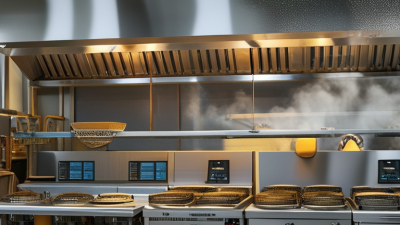
The International Energy Agency reports that electric motor systems consume roughly half of the world’s electricity. This places ventilation equipment under growing efficiency pressure. The U.S. Department of Energy’s fan-system guidance also emphasizes correct sizing, performance testing, maintenance, and control strategies. These points matter in workshops, chemical plants, warehouses, and commercial kitchens, where dust, heat, and corrosive air can challenge ordinary equipment.
China has a broad manufacturing base, but quality varies. Some suppliers provide AMCA-based testing, ISO-certified production, dynamic balancing, and traceable motor specifications. Others present attractive numbers without explaining test conditions. That weakness deserves attention.
A reliable manufacturer should disclose airflow curves, static pressure data, impeller materials, efficiency ratings, protection classes, and operating limits. Factory audits, sample testing, and customer references add practical confidence. Reports from Grand View Research and Fortune Business Insights show continued growth in industrial ventilation demand, driven by manufacturing expansion, workplace safety, and energy-saving upgrades. Market forecasts are useful, but they cannot replace field evidence.
This guide examines which Chinese supplier best combines engineering capability, production consistency, customization, certification, and service reliability. The answer may not be the cheapest. It should be the manufacturer whose performance remains credible after installation. That is where many evaluations become less certain.
What Defines the Best China Centrifugal Exhaust Fan Manufacturer?
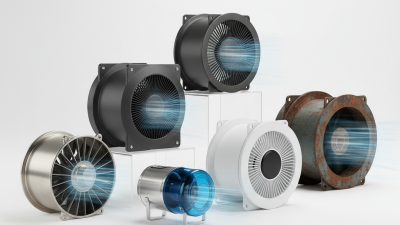
The best China centrifugal exhaust fan manufacturer is defined by more than factory size or attractive pricing. Practical experience matters. A capable manufacturer should understand airflow resistance, static pressure, noise limits, corrosion risks, and operating temperatures. Their engineers should recommend the correct impeller design, motor power, casing material, and rotation speed for each project.
Reliable manufacturers provide measurable performance data, not vague promises. Look for tested airflow curves, vibration results, efficiency figures, and clear tolerance standards. A serious supplier can explain how its fans perform in workshops, kitchens, warehouses, and chemical-free industrial environments. They should also maintain traceable production records, inspect welded joints, balance impellers, and test finished units before shipment. Small details matter. A loose bearing can become an expensive shutdown.
Tips:
Ask for a complete technical drawing and performance curve. Confirm the testing method, warranty terms, spare-part availability, and delivery schedule. Visit the production line when possible. Real equipment reveals more than polished photographs.
The strongest manufacturer also communicates honestly when a requested specification is unrealistic. No supplier gets every project right. That is worth remembering. A thoughtful manufacturer may suggest a different fan size, stronger coating, or quieter operating speed. After-sales support should include installation guidance and fault diagnosis, not just replacement sales. Transparent communication, consistent quality, and documented testing define trust over time.
Key Manufacturing Capabilities and Product Quality Standards
The best China centrifugal exhaust fan manufacturer should prove capability through repeatable engineering, not attractive catalog figures. The U.S. Department of Energy reports that industrial fan systems may consume 10–15% of facility electricity. Efficient design therefore matters beyond the motor rating. Manufacturers should use CFD analysis, CNC fabrication, and controlled impeller geometry. Each impeller needs dynamic balancing under ISO 21940 principles. Small errors create noticeable vibration.
Testing must match recognized methods. AMCA 210 and ISO 5801 define procedures for measuring airflow, pressure, power, and efficiency. A reliable factory should operate a calibrated test chamber and provide performance curves for the actual duty point. Look for measured noise values, vibration limits, coating thickness, and material certificates. Stainless steel or coated carbon steel may suit different moisture and chemical conditions. One material cannot solve every application.
Quality control should include weld inspection, shaft runout checks, bearing-temperature monitoring, and final load testing. DOE guidance also emphasizes system resistance, duct design, and control methods, not fan selection alone. This is where evaluations often become too simple. A high-efficiency fan can perform poorly in an undersized duct. Manufacturers should disclose test tolerances and correction procedures. Missing data is not proof of failure, but it deserves questions. Real reliability appears in traceable records, stable production batches, and responsive technical support.
How Leading Manufacturers Compare on Performance and Reliability
Who Is the Best China Centrifugal Exhaust Fan Manufacturer?
The best manufacturer is not defined by price alone.
Performance depends on stable airflow, suitable static pressure, and efficient motor selection. Leading manufacturers provide tested fan curves for each model. These curves help engineers match equipment to real duct resistance. Impeller balance matters. A poorly balanced wheel can create vibration, noise, and early bearing wear.
Reliability appears during continuous operation.
Strong manufacturers use controlled welding, accurate shaft alignment, and consistent assembly procedures. They also inspect motors, bearings, housings, and protective coatings before shipment. Ask for vibration readings, airflow test records, and material specifications. Clear documentation shows technical confidence. Vague answers deserve caution.
Field maintenance adds another comparison point.
A practical fan should allow simple belt adjustment, bearing replacement, and internal cleaning. Spare parts should remain identifiable over time. Some manufacturers offer excellent laboratory results but weaker after-sales communication. That gap can delay repairs.
No supplier gets every selection right. Even a high-efficiency fan may underperform when the duct system is poorly designed. Buyers should review operating conditions, temperature, dust levels, installation space, and expected duty cycles with the manufacturer.
Reliability is built through evidence, not attractive claims.
Choosing the Right Manufacturer for Your Exhaust Fan Project
Choosing a centrifugal exhaust fan manufacturer in China starts with your project conditions, not a catalog image. Define airflow, static pressure, temperature, noise limits, and operating hours. A workshop removing welding fumes needs different protection from a warehouse exchanging warm air. Ask for a performance curve at your actual duty point. Curves matter. They reveal whether the fan will meet airflow after duct resistance, filters, bends, and dampers. An experienced manufacturer should explain the selection, not simply recommend the largest motor.
Review engineering evidence before discussing price. Request material specifications, impeller balancing records, motor details, bearing arrangements, and factory testing procedures. A reliable supplier can describe vibration limits, coating options, access panels, and replacement parts. Photos help, but traceable test data is stronger. Check whether the team has handled similar pressure ranges and installation environments. Ask for drawings with flange dimensions, rotation direction, weight, and maintenance clearance. Small omissions can delay installation.
Communication during customization often predicts service after delivery. Confirm who checks the design, who approves drawings, and how faults are handled. Packaging should protect the shaft and housing from moisture and impact during transport. Commissioning support is valuable, especially when measured airflow differs from the design value. I have learned that a quiet fan may still perform poorly if the duct layout is ignored. Do not accept every factory promise without verification. A cheaper quotation can become expensive through energy use, rework, or unavailable components. Leave room for doubt, and test the final system under real operating conditions.