What is the Best Cone Crusher for Your Business Needs?
When it comes to selecting the best cone crusher for your business, understanding your specific needs is vital. A cone crusher is crucial for various industries. From mining to construction, its role cannot be understated. It efficiently processes materials, ensuring high productivity and performance.
Choosing the right cone crusher involves assessing your business requirements carefully. Factors like the size of materials, desired output, and operational capacity must be considered. Each type of cone crusher has unique features that may meet different needs. Exploring options thoroughly will help avoid costly mistakes.
Moreover, consulting with experts in the field can provide valuable insights. Their experience can guide you through the features and specifications that matter most. Understanding the complexities of cone crushers is key. A well-informed decision can greatly impact your business's success and efficiency.
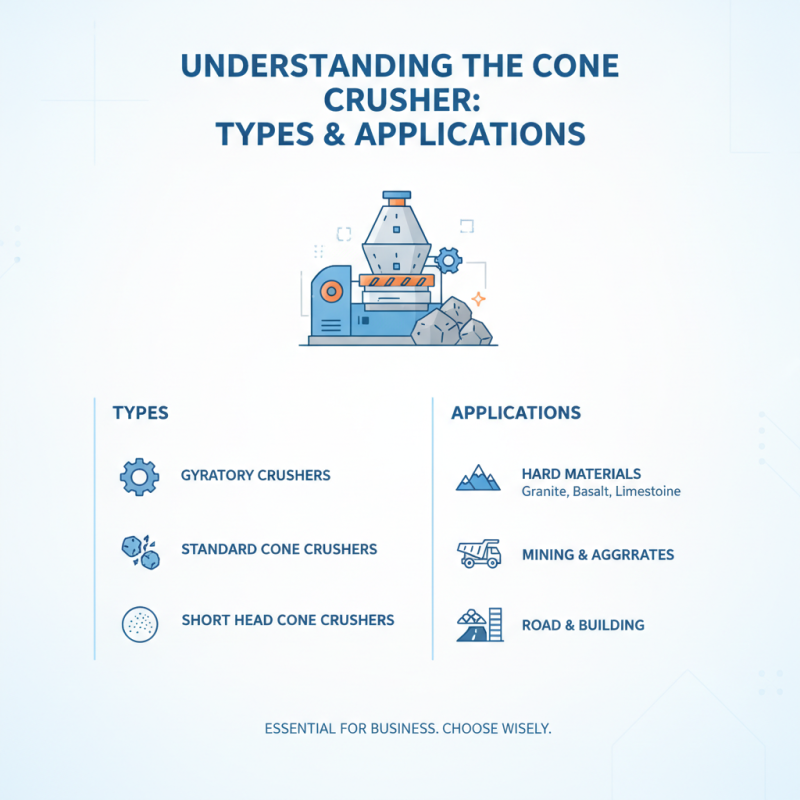
Understanding the Cone Crusher: Types and Applications
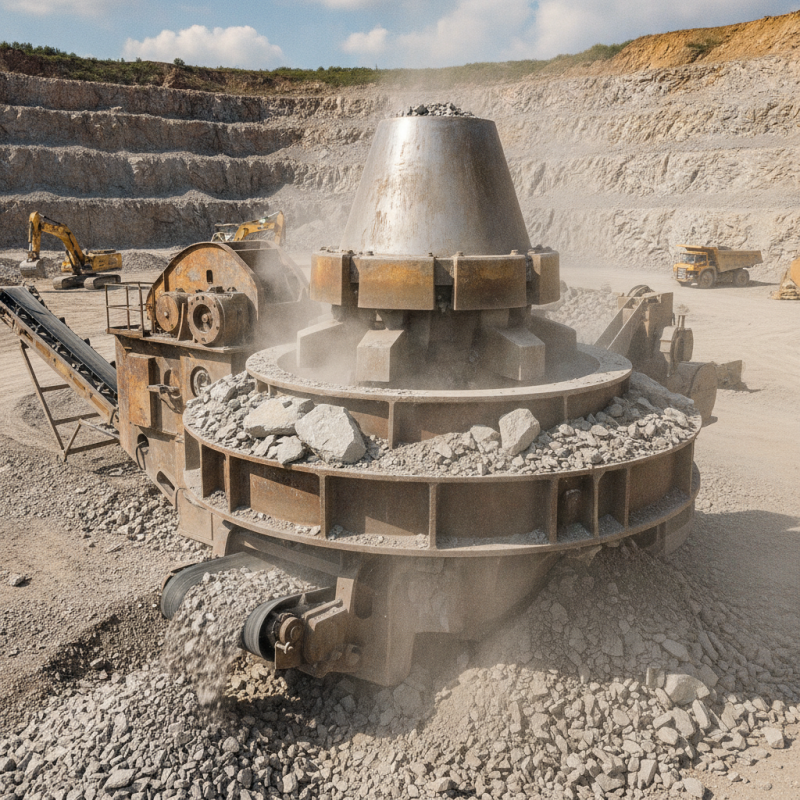
Cone crushers are essential in many industries. They crush materials like granite, basalt, and limestone. Knowing the types of cone crushers can help you make the right choice for your business.
There are two main types: standard and short head. Standard cone crushers are great for secondary crushing. They produce a uniform product size. Short head versions provide finer material. They are ideal for tertiary crushing. Each type serves specific applications, impacting productivity.
It's necessary to consider the material you're working with. Different materials require unique processing. The wrong type of crusher can lead to inefficiencies. Evaluating your needs helps in making the right selection. Also, reflecting on previous experiences can guide future purchases. This approach ensures smoother operations and better outcomes.
Key Features to Consider When Choosing a Cone Crusher
When selecting a cone crusher, several key features must be front of mind. The crushing capacity is crucial. Ensure it meets your production needs. A high throughput can significantly enhance efficiency. You might also consider the size of the feed opening. A larger opening allows for bigger chunks of material. However, it could influence the crushing size you require.
Another essential aspect is the material of construction. Durability is vital to withstand harsh operating conditions. Many modern units utilize advanced metallurgy for better wear resistance. It's worth examining the maintenance requirements as well. Regular upkeep can minimize downtime and repair costs. Opting for a machine with accessible components can simplify these processes.
The crusher's automation features should not be overlooked. Automation can optimize performance. It may lead to enhanced safety as well. Advanced models often include monitoring systems, alerting operators to potential issues. It’s important to balance technology with user proficiency. Sometimes, excessive complexity can be a hurdle for operators unfamiliar with advanced systems. Reflect on your team's skill levels and training needs before making a choice.
Evaluating Performance: Throughput and Efficiency Metrics
When selecting a cone crusher, it's crucial to evaluate its throughput and efficiency. These metrics define how well the machine meets your business needs. Throughput refers to the amount of material processed over a specific time. High throughput can lead to increased production. However, understanding your material's characteristics is essential for optimizing this metric. Not every machine handles every type of material efficiently.
Efficiency can be viewed in terms of power consumption and operational costs. A more efficient cone crusher will deliver better performance while consuming less energy. Nevertheless, one must consider the maintenance requirements. Frequent maintenance can offset the initial savings on operational costs. Examining wear rates and part replacement schedules is vital.
Balancing throughput and efficiency is an ongoing challenge. You may find a machine that performs excellently but requires more maintenance than expected. Another might promise high efficiency but under-deliver on production rates. Therefore, it's beneficial to analyze specific operational needs through real-world data. Assess your unique challenges and evaluate how different models respond in practical scenarios. This reflective approach ensures the right cone crusher choice aligns with your business objectives.
Throughput and Efficiency of Different Cone Crushers
Cost Analysis: Initial Investment vs. Long-Term Benefits
When considering a cone crusher for your business, evaluating costs is essential. The initial investment often seems daunting. However, understanding long-term benefits can provide clarity. Quality equipment can reduce downtime. Additionally, it may lower maintenance costs over time.
Tips: Evaluate energy efficiency. A more efficient model can lead to substantial savings. Remember, lower operating costs enhance profitability.
Selecting the right model can be confusing. Many factors must be addressed, from production capacity to installation costs. You might find that cheaper options require more attention. They can lead to unexpected expenses. Think about the long-term implications of your choice.
Tips: Research total cost of ownership. This includes parts, labor, and service. A holistic view can save money down the line. Avoid skimping on quality, as this can compromise performance.
What is the Best Cone Crusher for Your Business Needs?
| Model |
Initial Investment ($) |
Annual Operating Costs ($) |
Production Capacity (tons/hour) |
Average Lifespan (years) |
Total Cost of Ownership Over 10 Years ($) |
| Cone Crusher A |
150,000 |
25,000 |
200 |
10 |
400,000 |
| Cone Crusher B |
200,000 |
30,000 |
250 |
12 |
580,000 |
| Cone Crusher C |
250,000 |
28,000 |
300 |
15 |
700,000 |
| Cone Crusher D |
300,000 |
35,000 |
350 |
20 |
900,000 |
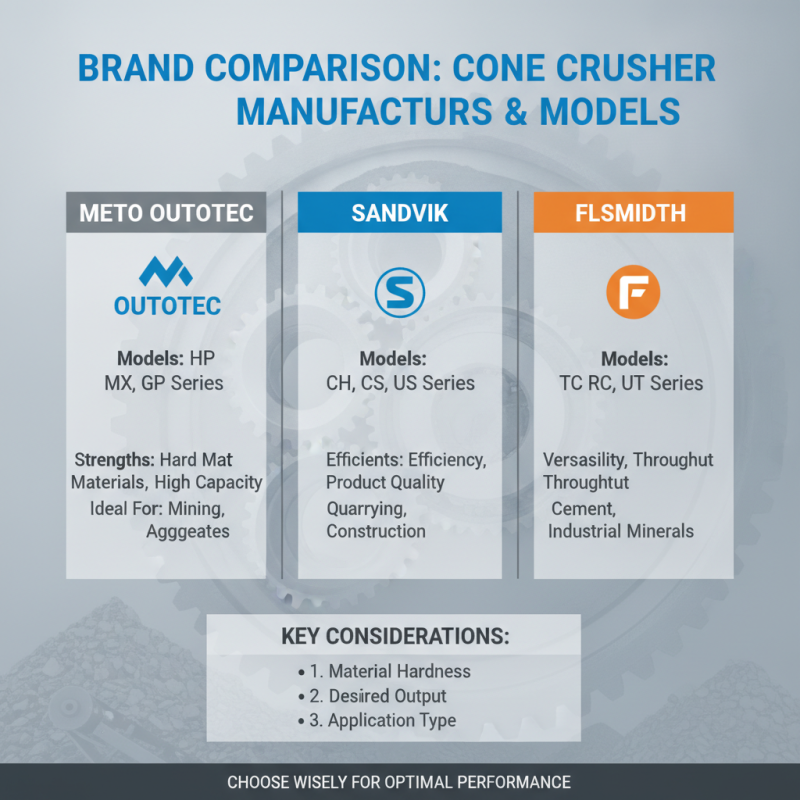
Brand Comparison: Leading Cone Crusher Manufacturers and Models
When choosing a cone crusher, it's essential to consider the specific needs of your operation. Leading manufacturers offer various models, each designed for different applications. Some excel at crushing hard materials, while others focus on efficiency and product quality. Understanding these gaps can guide your decision.
Tips: Always examine the specifications of each model. Look for details on throughput, size reduction ratio, and operational costs. These factors can significantly impact your overall productivity.
Regular maintenance is crucial for cone crushers. A well-maintained machine performs better and lasts longer. Consider an easy-access design for inspections and repairs. However, even the best machines may require troubleshooting. It's beneficial to have a skilled technician available.
Finally, user feedback is vital. Reviews and experiences from other operators can reveal common issues and advantages. While some models may have a strong reputation, they may not suit every application. Reflecting on your unique requirements is key to finding the best fit for your business.