Best Roll Mill Sleeve Options for Global Buyers?
In the competitive world of manufacturing, the importance of high-quality components cannot be overstated. One such crucial element is the Roll Mill Sleeve. This component is integral in ensuring efficiency in milling processes. Global buyers often seek the best roll mill sleeve options to enhance production and reduce downtime. Choosing the right sleeve can be challenging due to various factors, including material quality and design specifications.
With numerous options available, buyers need to be well-informed. It’s essential to consider the durability, compatibility, and overall performance of the roll mill sleeve. Each detail can impact the operational efficiency of milling equipment. Well-designed sleeves can improve workflow and decrease maintenance costs. However, making the right choice requires more than just comparing prices. Expertise in the specific needs of the milling process plays a critical role.
Delving into the best roll mill sleeve options can unveil a plethora of insights. Buyers must reflect on their unique requirements and long-term objectives. While many products claim to offer superior performance, testing and reliability should lead the decision-making process. Understanding these nuances can help global buyers navigate their options wisely.
Understanding Roll Mill Sleeves: Types and Applications
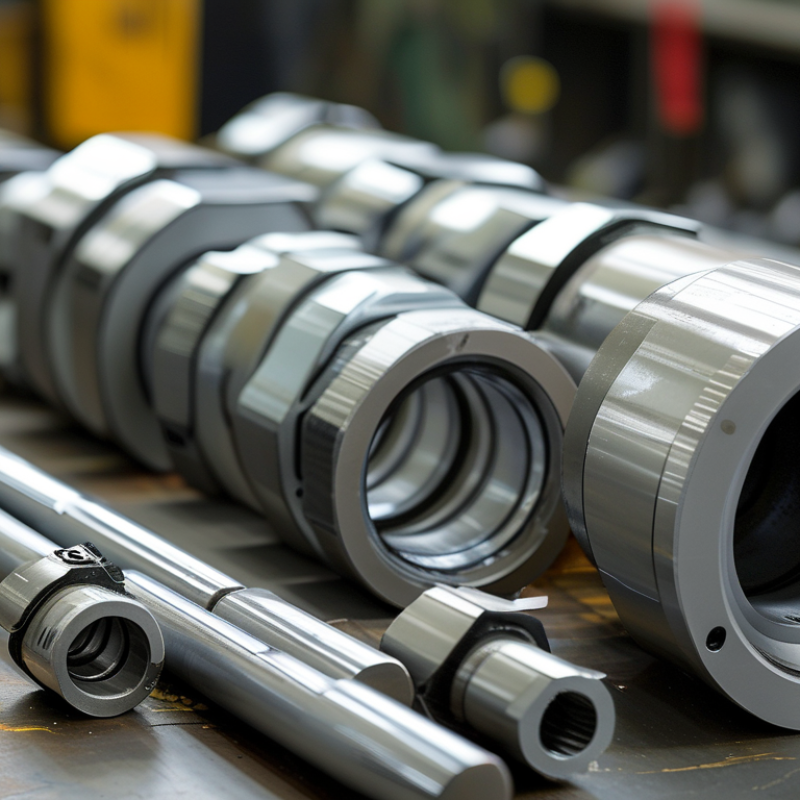
Roll mill sleeves play a crucial role in various manufacturing processes. They provide essential support and functionality in rolling mills. Different types of sleeves cater to specific applications. Understanding these options is vital for global buyers.
The most common types include rubber, metal, and composite sleeves. Rubber sleeves excel in providing grip and flexibility. They are suitable for soft materials. Metal sleeves, on the other hand, offer durability and strength. They are ideal for heavy-duty operations. According to industry reports, the global roll mill sleeve market is projected to grow at a CAGR of 5.2% from 2023 to 2030. This growth reflects increasing demand across various sectors, including automotive and manufacturing.
Choosing the right sleeve involves balancing factors like material properties and application demands. Buyers must assess the compatibility of sleeves with their mill types. Additionally, industry studies suggest that improper sleeve selection can lead to decreased efficiency. Flexibility in selection ensures optimal performance. Quality assurance and testing are essential aspects that buyers should not overlook.
Key Features of High-Quality Roll Mill Sleeves
When selecting roll mill sleeves, high quality is essential. A sleeve's durability significantly impacts the roll mill's performance. Look for options made from robust materials. These materials can withstand wear and reduce downtime. High-quality sleeves improve the overall efficiency of milling processes.
Another critical feature to consider is the precision of the fit. Accurate dimensions prevent misalignment. This misalignment can create uneven wear and tear. Sleeves that fit well also ensure smooth operation. An inconsistent performance can frustrate operators and affect product quality.
Don’t overlook the ease of installation. Some sleeves are designed for quick changes. This can save valuable time during production. However, ensuring that the installation is seamless is not always guaranteed. Sometimes, complex designs may require special tools or expertise. Evaluate your team’s capabilities before purchase. Think carefully about what best suits your operation.
Best Roll Mill Sleeve Options for Global Buyers
| Material |
Thickness (mm) |
Hardness (Shore A) |
Temperature Resistance (°C) |
Application |
| Natural Rubber |
5 |
50 |
100 |
General Processing |
| Nitrile Rubber |
6 |
60 |
120 |
Oil Resistance |
| EPDM |
4 |
70 |
150 |
Weather Resistant |
| Silicone |
3 |
75 |
200 |
High Temperature Applications |
| Polyurethane |
5 |
85 |
110 |
Abrasion Resistance |
Comparative Analysis of Global Roll Mill Sleeve Suppliers
When exploring roll mill sleeve options, global buyers should consider the diverse offerings from various suppliers. Quality and durability are key factors. Many suppliers provide sleeves made from different materials, each with unique pros and cons. Analyzing specifications such as resistance to wear and temperature can lead to better decisions.
Tips: Always request samples before making large purchases. Testing durability in real-world conditions ensures reliability.
Price may indicate quality, but not always. Some suppliers might offer low prices, yet compromise on material integrity. It's essential to conduct thorough research to avoid costly mistakes later. Comparing product reviews and feedback from other buyers can also highlight potential red flags.
It's important to assess suppliers' experience and industry reputation. An established supplier often has more resources to ensure quality. Newer companies may offer innovation but could lack reliability. Building relationships with trustworthy suppliers can provide valuable insights and continuous support, crucial for sustained success.
Best Roll Mill Sleeve Options for Global Buyers
Factors to Consider When Choosing Roll Mill Sleeves
When selecting roll mill sleeves, several critical factors come into play. Material durability is paramount. Look for materials that can withstand high temperatures and pressures. This helps ensure longevity and consistent performance. Different applications might require varying levels of hardness and flexibility. Assessing these needs is essential.
Another important aspect is the sleeve diameter and length. Precision in sizing affects the efficiency of the milling process. A mismatched size can lead to inefficiencies and increased wear. Buyers should ensure they have the correct dimensions to avoid future complications. The production method can also influence the sleeve's performance. Some processes may produce seams that could create weaknesses.
Quality control measures are crucial. Manufacturers should have strict protocols to ensure reliability. A lack of oversight can lead to defects, impacting overall operation. Gathering feedback from previous users can offer insights into performance. Testing samples before bulk purchases can prevent larger issues down the line. This approach can demand time and effort but can save resources in the long run.
Future Trends in Roll Mill Sleeve Technology and Manufacturing
The roll mill sleeve industry is evolving rapidly. Manufacturers are now focusing on enhancing material durability and performance. New materials are being explored to improve resistance to wear and tear. For instance, advanced composites can significantly extend the lifespan of roll mill sleeves. These innovations are crucial in industries that demand reliability in high-stress environments.
However, the shift towards sustainable practices is also notable. Eco-friendly materials are becoming more popular. This trend reflects a broader shift in manufacturing toward responsible sourcing and production. Yet, the transition presents challenges. Manufacturers must balance sustainability with performance needs. There are instances where eco-friendly options do not meet the stringent demands of certain applications.
Finally, automation and smart technologies are transforming the production process. Manufacturers are integrating data analytics and monitoring systems. This advancement helps in predicting wear patterns and optimizing maintenance schedules. However, the implementation of these technologies requires investment and expertise. Not every manufacturer can make this shift smoothly. Some may struggle with adapting to these rapid changes in technology and consumer expectations.