Why You Should Choose the Right Roller Sleeve for Your Painting Needs?
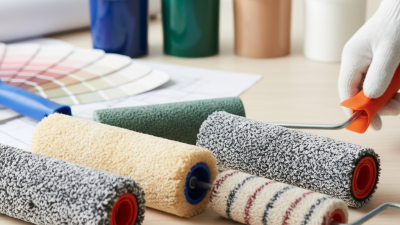
Choosing the right roller sleeve can make a significant difference in your painting projects. Expert painter David Thompson emphasizes, "The right roller sleeve enhances paint application and finish quality." Selecting an appropriate roller sleeve is crucial for achieving the desired results, whether you are a homeowner or a professional.
Many overlook the nuances of roller sleeves. The texture, fabric, and nap length are essential factors. A roller sleeve can either elevate your painting experience or lead to frustrating results. A rough texture, for instance, can yield an uneven finish. Choosing a high-quality roller sleeve ensures that paint is distributed evenly.
Reflecting on past projects can reveal mistakes. Many painters have learned the hard way that a poor choice leads to extra work. Investing time in understanding different roller sleeves can save you time and effort in the long run. Remember, the right tools can transform your approach to painting, making it a more enjoyable task.
Understanding the Importance of Roller Sleeves in Painting Projects
Choosing the right roller sleeve is crucial for any painting project. Roller sleeves may seem like a small detail, yet they significantly impact the final result. According to the Paint Quality Institute, nearly 40% of painting failures are linked to improper application tools. Selecting the right sleeve contributes to even coverage and a professional finish.
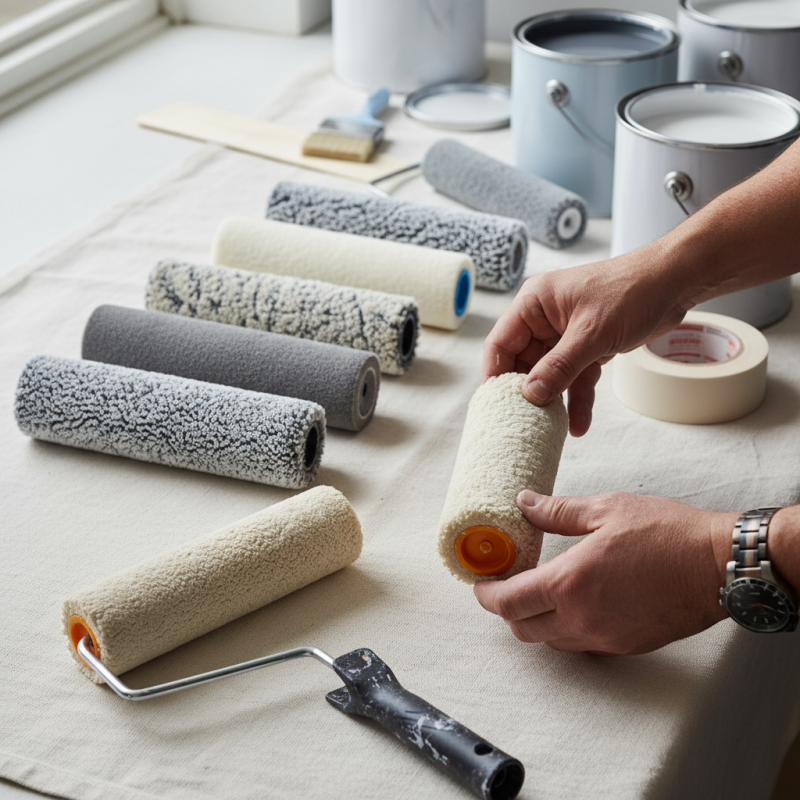
The material and nap length of a roller sleeve can affect paint absorption and release. For example, a 1/4-inch nap is ideal for smooth surfaces, while a 3/4-inch nap works well on textured walls. The right choice can save time and reduce paint waste. A report from the American Coatings Association highlights that using a suitable roller sleeve can improve efficiency by up to 30%.
Many DIY-ers overlook the importance of these tools. Poor choices can lead to streaks, uneven color, or too much splatter. Experimentation is key, and not every project will yield the same results. It’s wise to test different sleeves for different surfaces to truly understand how they perform.
Why You Should Choose the Right Roller Sleeve for Your Painting Needs?
| Roller Sleeve Type |
Material |
Best Use |
Nap Thickness |
Finish Type |
| Polyester |
Synthetic Fibers |
Smooth Surfaces |
1/4 inch |
Satin/Gloss |
| Synthetic-Mohair Blend |
Blend |
Semi-Smooth to Smooth Surfaces |
1/2 inch |
Eggshell/Matte |
| Lambswool |
Natural Fiber |
Textured Surfaces |
3/4 inch |
Flat/Satin |
| Foam |
Foam Material |
Smooth Finishes |
1/4 inch |
Gloss |
Different Types of Roller Sleeves and Their Applications
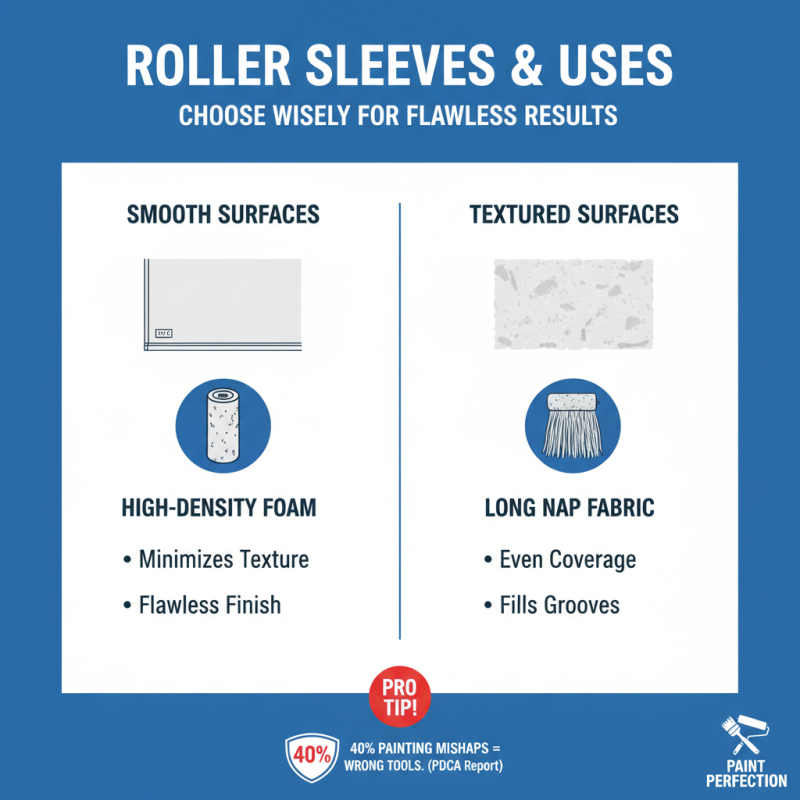
Choosing the right roller sleeve is essential for achieving professional-quality paint jobs. Different types of roller sleeves serve various applications, which can dramatically affect the outcome. For example, a high-density foam roller sleeve is ideal for smooth surfaces. It minimizes texture and provides a flawless finish. Alternatively, a nap roller sleeve with a longer pile works well for textured surfaces. This choice helps in distributing paint evenly in grooves. According to a report by the Painting and Decorating Contractors of America, nearly 40% of painting mishaps result from improper tools.
When selecting a roller sleeve, consider the material and nap length. Synthetic fibers are durable and suitable for water-based paints. Natural fibers, like mohair, are excellent for oil-based paints but may shed. It's critical to assess the surface type and the paint used. A poor choice may lead to streaks and uneven application, which can be frustrating and time-consuming to correct.
Tips: Always test your roller sleeve on a small area first. This avoids disappointment on larger projects. Store roller sleeves properly to prevent them from drying out. Clean them promptly after use, extending their lifespan significantly. Remember, the right choice will save time and provide a better finish.
Factors to Consider When Selecting a Roller Sleeve for Your Needs
Choosing the right roller sleeve for your painting project is critical for achieving a professional finish. The material of the roller sleeve affects the paint application and texture. Different fabrics, like polyester or microfiber, have unique properties. For instance, microfiber sleeves hold more paint and reduce splatter. Data from the Paint Quality Institute indicates that a good sleeve can enhance painting speed by up to 30%.
When selecting a roller sleeve, consider the surface you are painting. For smooth surfaces, a shorter nap gives a fine, smooth finish. On rough surfaces, a longer nap will ensure even coverage. A study by the Arizona State University’s College of Design found that selecting an appropriate nap can reduce the number of coats needed. This not only saves time but also improves the quality of the work.
The size of the roller sleeve should match the project scale. A narrower sleeve is ideal for tight spaces, while a wider sleeve covers large areas quickly. However, many ignore the importance of sleeve diameter. A too-thick sleeve can lead to unwanted texture, whereas a too-thin sleeve might not hold enough paint. Paying attention to details like these can significantly affect your painting outcome. Investing time in selecting the right roller sleeve pays off in the long run.
Tips for Proper Care and Maintenance of Roller Sleeves
Proper care and maintenance of roller sleeves are essential for achieving quality painting results. After each use, clean the sleeves thoroughly with water or the appropriate solvent. This prevents paint from drying on the fabric, which could ruin your next project. A simple rinse can save you from hefty replacements. However, many overlook this crucial step, leading to frustrations during future uses.
Storing roller sleeves correctly is also vital. Keep them in a cool, dry place, away from direct sunlight. This helps maintain their shape and functionality. Additionally, avoid stacking heavy objects on top, as this can deform the sleeves. While these practices seem simple, they are often neglected.
Consider the type of paint you use. Some paints require more intensive cleaning than others. You may face difficulties if you don’t know the best practices for specific materials. It’s important to invest a little time in care. While it may feel tedious, proper maintenance will enhance the longevity and performance of your roller sleeves, ultimately benefiting your painting projects.
Common Mistakes to Avoid When Choosing Roller Sleeves for Painting
Choosing the right roller sleeve can make a significant difference in your painting project. Many overlook this simple yet crucial aspect. One common mistake is not considering the material of the sleeve. Different materials serve different purposes. For example, synthetic fibers work well with water-based paints, while natural fibers are ideal for oil-based paints. Make sure you select a sleeve that matches your paint type.
Another error is neglecting the nap length. The nap affects paint application and finish. Short naps are great for smooth surfaces, while longer naps are better for textured walls. Opting for an inappropriate nap can lead to uneven coverage. Pay attention to the texture of your walls to determine the right choice.
Tips: Always test a small area first. This helps identify how the chosen roller sleeve performs with your paint. Don’t hesitate to ask for advice at your local hardware store. Engaging with knowledgeable staff can provide valuable insights. Remember, small oversights can lead to bigger issues in your painting results. Take the time to ensure you make the right choice.