How to Choose a Permanent Synchronous Motor for Your Needs?
Choosing the right Permanent Synchronous Motor (PSM) for your needs can be challenging. John Smith, a notable expert in electric motors, states, "Selecting the right motor is critical for operational efficiency." His insight underlines the importance of this decision.
When considering a Permanent Synchronous Motor, the first factor to assess is the specific application. Motors vary widely in performance and efficiency. For example, industrial applications may require robust motors that handle heavy loads, while smaller motors may suffice for light tasks. Experts often recommend reviewing torque and speed requirements closely.
It's also essential to evaluate the available space and energy efficiency. Some motors may take up more room than expected. Failures to account for this can lead to installation headaches. Reflect on the long-term costs versus initial investments. An energy-efficient motor might cost more upfront but save money over time. Understanding these details helps ensure the right fit for your needs.
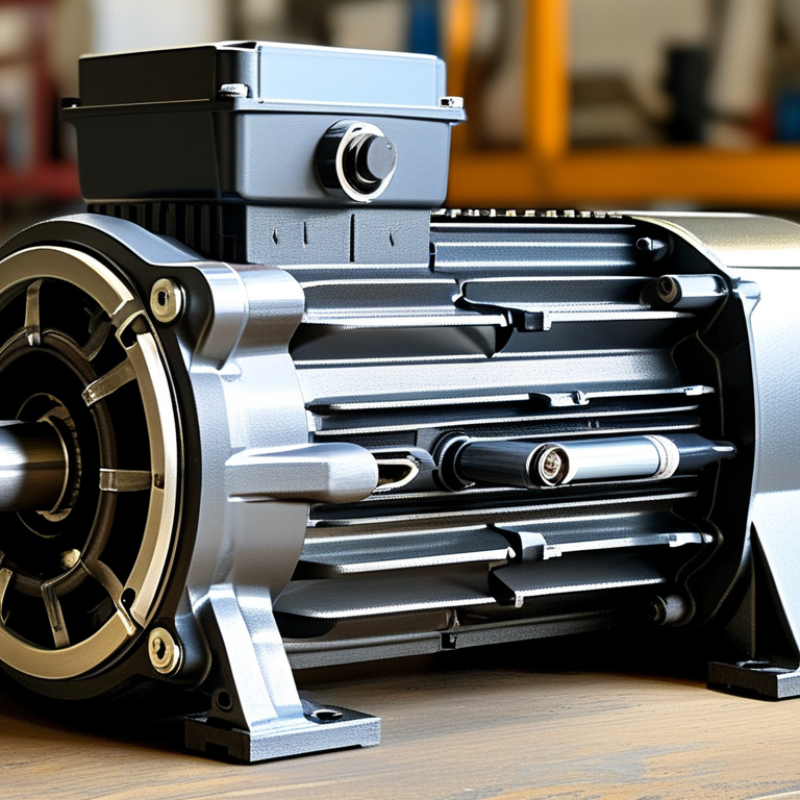
Understanding the Basics of Permanent Synchronous Motors
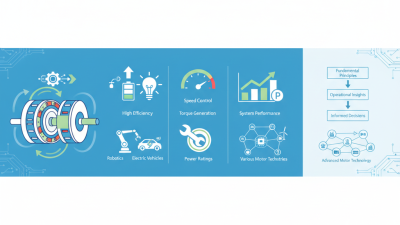
When choosing a permanent synchronous motor, understanding the basics is crucial. These motors are known for their efficiency and reliability in various applications. The International Electrotechnical Commission reports that permanent synchronous motors operate with efficiency levels exceeding 90%. This efficiency translates into less energy consumption and lower operational costs.
Permanent synchronous motors function using permanent magnets and synchronicity with the power supply frequency. They eliminate the need for brushes, reducing maintenance. However, they may require a more complex control system to manage speed and torque effectively. Research shows that about 30% of industries still use outdated motor technologies. This presents an opportunity for organizations to reconsider their needs.
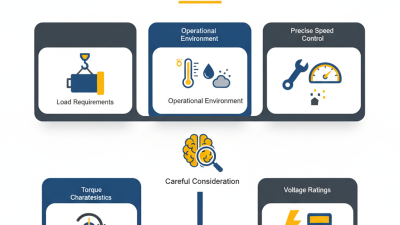
Another consideration is the operational environment. Permanent synchronous motors perform well in stable conditions but can struggle under extreme environments. Additionally, their design may not suit all applications, particularly where rapid speed changes are necessary. Understanding load requirements and environmental challenges is key to making the right choice.
How to Choose a Permanent Synchronous Motor for Your Needs?
| Motor Type |
Power Rating (kW) |
Voltage (V) |
Speed (RPM) |
Efficiency (%) |
Applications |
| Permanent Magnet Synchronous Motor |
5 |
400 |
1500 |
92 |
Industrial Drives |
| Interior Permanent Magnet Synchronous Motor |
10 |
230 |
3000 |
95 |
Electric Vehicles |
| Surface Mounted Permanent Magnet Motor |
7.5 |
480 |
1800 |
90 |
Home Appliances |
| Slotless Permanent Magnet Motor |
3 |
220 |
2000 |
93 |
Robotics |
Identifying Your Specific Application Requirements
When choosing a permanent synchronous motor, understanding your specific application requirements is crucial. Different applications demand unique features from the motor. For instance, you may need a motor for continuous operation in a factory, which requires high efficiency and durability. Alternatively, if your application involves variable speeds, you will require a motor capable of handling those fluctuations without losing performance.
Consider the environment in which the motor will operate. Is it exposed to dust, moisture, or extreme temperatures? Adapting your choice to these conditions can enhance the motor's lifespan. Additionally, check the load requirements. Is the motor expected to start under heavy loads regularly? This could affect your selection significantly. Small details, such as mounting type and space parameters, should not be overlooked. They can influence installation and maintenance costs later on.
Evaluating your requirements may lead you to realize gaps in your understanding of motor specifications. For instance, the terminology used can sometimes be confusing. Seeking expert advice or consulting industry standards could help clarify these terms. This step could prevent costly mistakes in your choice. Reflecting on past decisions can guide you toward better choices this time around.
Evaluating Motor Specifications and Performance Metrics
When selecting a permanent synchronous motor, evaluating specifications and performance metrics is crucial. Key metrics include efficiency, torque, speed, and power factor. Industry reports indicate that motors with over 90% efficiency can reduce operational costs significantly. For instance, a 1% increase in efficiency can lead to energy savings of 2-5% over time.
Consider the torque-speed curve. A motor that meets your application needs must deliver the right torque at the required speed. Understanding the application requirements helps in selecting the appropriate motor size and configuration. A 2019 report revealed that improper motor selection could lead to 30% energy waste in industrial applications.
Tips: Always consult performance data from multiple sources. Look for motors with a high power factor, as this can enhance energy savings. Regularly review and assess your motor performance post-installation. Monitoring efficiency can reveal if adjustments are necessary.
Ensure you thoroughly understand thermal performance metrics as well. It’s important to know the motor’s operating temperature range. Overheating can significantly reduce a motor's lifespan. Many manufacturers recommend regular thermal inspections to preempt issues.
Comparing Different Types of Permanent Synchronous Motors
When it comes to permanent synchronous motors (PSMs), choosing the right type can be challenging. Several factors influence decision-making, including operational efficiency, torque requirements, and environmental conditions. PSMs feature different designs, primarily categorized into surface-mounted or inset types. Surface-mounted motors provide high efficiency and reliability but may have size constraints. Inset motors offer higher torque capabilities, particularly useful in heavy-duty applications.
Tips: Always consider the specific application when selecting a motor. It’s also wise to analyze how the motor will perform under varying loads.
Another crucial aspect is the application’s power supply. Some PSMs require specific voltage levels, which might limit their usability. Understanding the supply system is vital. If your facility operates under varying power conditions, ensure the motor you select can handle fluctuations.
Tips: Check the installation space before making a choice. An oversized motor can lead to inefficiency. A conversation with an expert can guide you in selecting the right type for your needs. Reflect on the motor's maintenance demands as well. Regular upkeep can significantly influence its longevity and performance.
Assessing Cost, Maintenance, and Long-Term Reliability Factors
Choosing a permanent synchronous motor is a significant decision that goes beyond its initial price. Cost effectiveness involves evaluating not just the purchase price, but also long-term operational expenses. Consider energy consumption. A highly efficient motor may have a higher upfront cost but can lead to substantial savings over time. Analyze how often the motor will be used. Underestimating operational hours can lead to unexpected costs.
Maintenance is another critical factor. Regular servicing can prevent breakdowns and prolong the motor's life. Understand the motor's operating environment. Dust, moisture, and extreme temperatures can all impact durability. Consult with professionals to establish a maintenance schedule that fits your needs.
Long-term reliability is essential for continuous operations. Research various motor types and their performance histories. Poor choices can lead to frequent repairs or replacements. Customer reviews and case studies can offer insights into reliability. Reflect on your specific application requirements, as overestimating necessary power or underestimating load conditions can lead to inefficiency. Balancing cost, maintenance, and reliability will ensure satisfaction over the motor’s lifetime.