Leave Your Message
Choosing a Cigarette Machine Roller Sleeve is a small decision with visible consequences. A sleeve that fits poorly can cause uneven contact, inconsistent transfer, and faster wear. The right choice depends on the machine model, operating conditions, sleeve material, and required dimensions. Start with the equipment specifications, then check measurements against the actual roller. A catalog description alone may not tell the whole story.
For an honest expert-style perspective, the name and quotation below are fictional and illustrative, not a verified industry attribution. In this editorial framing, fictional maintenance specialist Elena Ward puts it this way: “Measure the working surface, not just the part number.” That advice is practical, but it is not a substitute for the manufacturer’s guidance. Compare hardness, surface finish, temperature tolerance, and expected service life. Ask suppliers for documented specifications and compatibility details. Inspect the sleeve under good light; small cracks or uneven edges matter. Keep records of changes and operating results. They help reveal patterns over time.
There is no perfect sleeve for every line. A choice that performs well in one setup may disappoint in another. That deserves a second look. This guide will explain how to compare materials, confirm fit, assess durability, and ask better supplier questions before ordering. The goal is simple: choose a sleeve that matches the equipment and can be evaluated with clear, repeatable checks.
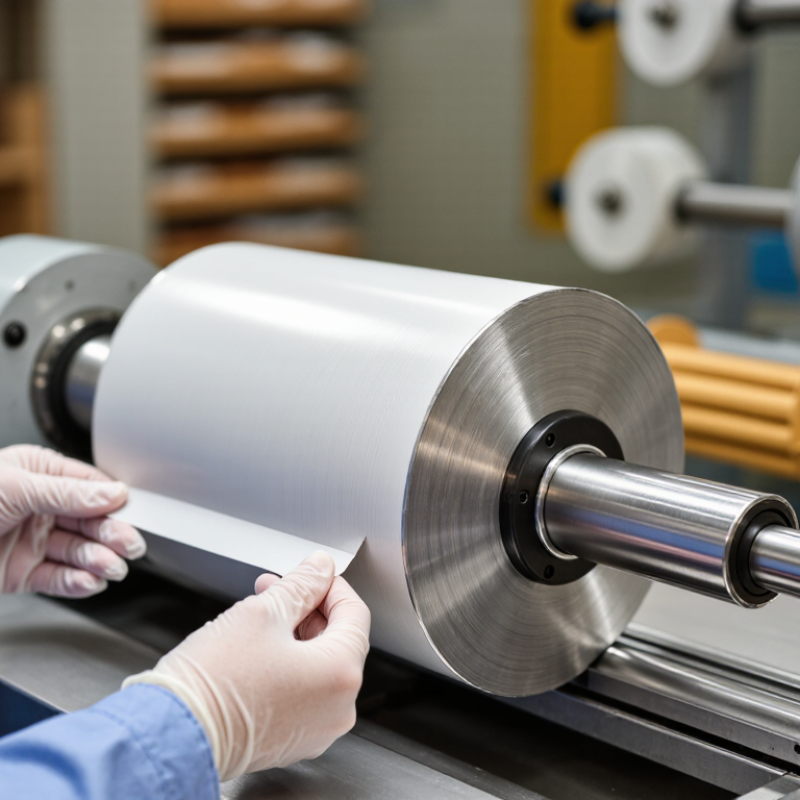
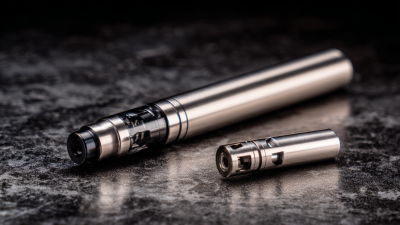
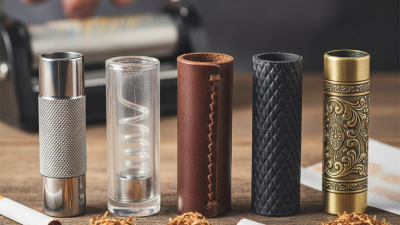
A cigarette machine roller sleeve is a replaceable covering fitted over a roller in a cigarette-making machine. It provides a working surface that helps guide and support materials as the roller turns. Depending on the machine design, the sleeve may help maintain grip, steady movement, or keep a paper rod aligned during forming. It is not a universal part: its material, dimensions, and surface finish must match the equipment.
Small part. Big effect. During operation, the roller rotates and the sleeve’s surface contacts nearby materials. Consistent contact can help reduce slipping and uneven feeding. A sleeve that is worn, cracked, or incorrectly sized may contribute to drifting or inconsistent movement. Check its surface for cuts, glazing, and flattened areas, and follow the machine’s specifications for fit and replacement. A quick visual check is useful, but it cannot confirm every issue. Runout, material hardness, and installation can matter too. One detail is easy to miss: a sleeve may look fine while its grip has changed. That is why observations during routine maintenance should be recorded, not guessed.
| Selection Dimension | What It Means | How to Check or Choose | Why It Matters |
|---|---|---|---|
| Component function | A roller sleeve is a replaceable outer covering fitted over a roller in a cigarette-making machine. Depending on the machine design, it may provide grip, cushioning, or a working surface for material transport. | Confirm the roller’s position and function using the machine documentation or by inspecting the removed part. | Different roller positions can require different sleeve materials, surface finishes, and dimensions. |
| Outside diameter (OD) | The sleeve’s external diameter after installation. | Measure the unworn sleeve at several points with a suitable measuring tool. Compare the result with the machine drawing or specified replacement dimensions. | An incorrect OD can change roller contact, clearance, or material feed. |
| Inside diameter (ID) | The diameter of the sleeve bore that fits over the roller core or shaft. | Check the roller core diameter and the sleeve’s specified fit. Do not assume that sleeves with the same OD have the same ID. | A poor fit can cause slipping, difficult installation, or uneven running. |
| Overall length | The sleeve’s length along the roller axis. | Measure the usable sleeve length and compare it with the roller’s working width and any shoulders or retaining features. | A sleeve that is too short or too long may not cover the intended contact area or seat correctly. |
| Wall thickness | The material thickness between the sleeve’s inner and outer surfaces. | Check the part drawing or calculate a rough value from OD and ID: wall thickness ≈ (OD − ID) ÷ 2 for a concentric sleeve. | Thickness affects fit, surface position, and the amount of material available to absorb contact. |
| Material | The sleeve may be made from an elastomer or another specified engineering material, depending on its application. | Use the material stated in the machine specification or confirmed for the original part. Consider operating temperature, cleaning agents, and tobacco-contact requirements. | Material affects grip, wear, flexibility, and resistance to the machine’s operating environment. |
| Hardness | For an elastomer sleeve, hardness is commonly expressed on a Shore scale, such as Shore A. | Match the specified hardness and test method. If no specification is available, have the original part identified rather than selecting by appearance alone. | Hardness influences deformation and contact behavior; an unsuitable value can affect feeding and wear. |
| Surface condition | The sleeve surface may be smooth, textured, or otherwise finished for its specific roller function. | Compare the replacement with the original surface and check for cuts, cracks, blisters, contamination, or uneven wear. | Surface condition can influence traction, material handling, and consistency during operation. |
| Concentricity and runout | Concentricity describes how evenly the sleeve is centered around the roller; runout is the variation measured as the roller turns. | After installation, rotate the roller and check runout with an appropriate indicator against the machine’s specified limit. | Excessive runout can produce uneven contact, vibration, or inconsistent machine operation. |
| Balance and installation | The sleeve should be seated evenly and securely on the roller assembly. | Follow the machine’s fitting procedure. Check alignment, seating, and any required balancing or retention method. | Incorrect installation can cause movement, vibration, premature wear, or damage to adjacent parts. |
| Operating conditions | Conditions include machine speed, temperature, contact pressure, dust, and cleaning practices. | Choose a sleeve rated for the documented operating environment and use compatible cleaning methods. | Operating conditions affect service life and can change the performance of the sleeve material. |
| Replacement decision | Wear, hardening, cracking, surface damage, or a change in roller performance may indicate that inspection or replacement is needed. | Use the maintenance schedule and inspection criteria for the specific machine. Confirm dimensions and material before ordering a replacement. | Replacing a worn sleeve at the right time helps maintain consistent operation and reduces the risk of secondary damage. |
| Specification note | There is no single universal set of sleeve dimensions, hardness, or tolerance for all cigarette-making machines. | Prioritize the machine drawing, maintenance manual, or verified measurements from the correct original component. | Machine-specific specifications are essential for fit, safe operation, and reliable performance. |