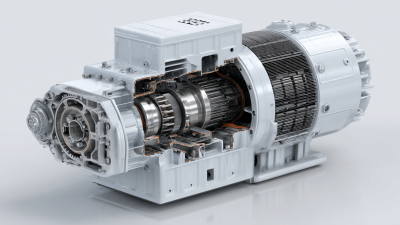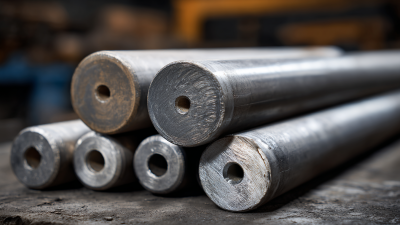
In the rapidly evolving landscape of industrial processing, the efficiency and effectiveness of material processing equipment play a pivotal role in determining operational success. Among the various technologies available, the Hammer Crusher has emerged as a game-changer, providing unmatched efficiency that directly impacts productivity and cost-effectiveness. According to a recent report from Grand View Research, the global market for crushing and grinding equipment is expected to reach $7.5 billion by 2025, driven by the growing demand for minerals and materials across industries. The Hammer Crusher stands out due to its robust design and ability to handle a variety of materials, from soft limestone to heavy granite. This efficiency not only reduces energy consumption but also enhances throughput, making it an indispensable tool for modern industrial applications. As industries seek ways to optimize their processes, understanding and leveraging the advantages of Hammer Crushers will be crucial for maintaining competitiveness in this dynamic market.
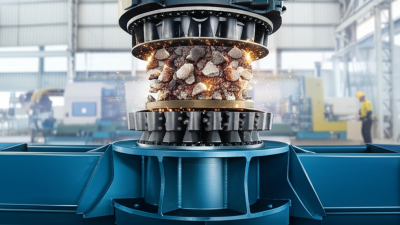
Hammer crushers have become pivotal in modern material processing due to their innovative operation mechanism. Utilizing a series of heavy hammers suspended on a rotor, these machines crush materials into smaller sizes through impact. As the rotor spins at high speeds, the hammers accelerate the feed material, allowing it to collide against a solid surface, which aids in further fragmentation. This process is efficient and highly effective for various materials such as limestone, coal, and even metal scrap, making hammer crushers essential for industries like mining and construction.
**Tips:** When operating a hammer crusher, ensure that the feed material is pre-processed to prevent excessive wear on the hammers. Regular maintenance, including checking the rotor and hammers for signs of damage, can significantly enhance the longevity and performance of the machine.
The design of hammer crushers also allows for easy adjustment of the final product size by altering the spacing between the hammers and the crushing plate. This flexibility is a major advantage, enabling industries to meet specific material specifications without needing multiple machines. Operators should always monitor the machine's operational parameters to optimize performance and reduce energy consumption.
**Tips:** Implementing a regular monitoring system can help in early detection of potential operational issues, allowing for timely maintenance that prevents costly downtimes.
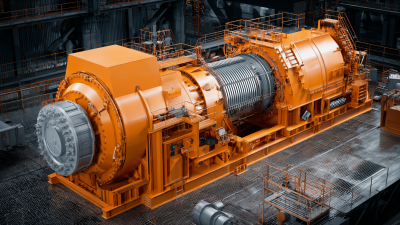
Hammer crushers have emerged as a pivotal technology in modern industrial applications, offering unmatched efficiency and versatility. One of the key advantages of hammer crushers is their ability to handle a wide range of materials, from soft to hard substances. This adaptability enables industries such as mining, construction, and recycling to utilize a single piece of equipment for various processing needs, thereby reducing investment costs and simplifying logistics.
Another significant benefit is their high throughput capacity. Hammer crushers are designed to deliver rapid and efficient size reduction, allowing industries to meet increased production demands without compromising on quality. This efficiency translates to lower energy consumption per ton of material processed, making them an eco-friendly choice in industrial operations. Furthermore, the straightforward design of hammer crushers facilitates easier maintenance, ensuring minimal downtime and enhancing overall productivity in any facility.
This chart illustrates the efficiency of hammer crushers in modern industrial applications. The data reflects processing efficiency and energy consumption across various materials.
Hammer crushers have emerged as a pivotal force in material processing, especially when contrasted with traditional crushing techniques. While traditional methods often rely on compressive forces or slow mechanical movements, hammer crushers utilize high-speed rotating hammers that deliver rapid impact, resulting in more efficient material breakdown. This not only enhances speed but also optimizes the particle size distribution of the end product, which is crucial for various industrial applications.
Tips: When selecting a hammer crusher, consider the material's hardness and moisture content, as these factors significantly influence performance. Regular maintenance is also essential to ensure that the hammers remain sharp and effective, which directly impacts the crusher's efficiency.
Moreover, hammer crushers require less energy to operate compared to conventional methods. This energy efficiency translates to lower operational costs and a reduced environmental footprint. In industries where time and precision are paramount, the shift from traditional crushing techniques to hammer crushers showcases a modern approach to material processing, aligning with the growing demand for efficiency in manufacturing processes.
Tips: Implementing a routine check of the crusher's components can prevent unexpected downtimes and enhance productivity. Additionally, choosing the right size and model based on the specific application can further maximize efficiency and output.
Recent advancements in hammer crusher design have significantly enhanced their efficiency, making them indispensable in modern material processing. Innovations such as improved rotor designs and optimized hammer profiles enable these crushers to operate at higher speeds and improve the quality of the end product. For instance, the use of lightweight materials in hammer fabrication reduces energy consumption while maintaining durability, thus allowing for longer operational lifespans and reduced downtime.
Additionally, the integration of smart technology into hammer crushers has revolutionized their performance. Real-time monitoring systems provide operators with vital data regarding equipment condition and operational efficiency, allowing for timely adjustments and maintenance. This not only maximizes throughput but also minimizes wear on components. As industries demand more from their processing equipment, the continuous evolution of hammer crusher technology promises to meet these challenges, ensuring they remain at the forefront of material processing solutions.
| Feature | Value |
|---|---|
| Crushing Capacity (tons/hour) | 50 - 150 |
| Reduction Ratio | 10:1 - 30:1 |
| Power Consumption (kW) | 75 - 400 |
| Material Types Processed | Metals, Plastics, Wood, Coal |
| Operational Lifespan (years) | 10 - 15 |
Hammer crushers are becoming increasingly vital across various industries due to their exceptional efficiency and versatility. For instance, in the mining sector, companies have successfully implemented hammer crushers to process a range of materials, including ore and coal. One notable case study involves a leading mining firm that replaced their traditional crushing methods with hammer crushers, resulting in a 30% increase in overall production efficiency. This transformation not only minimized operational costs but also reduced energy consumption, showcasing the crusher's ability to streamline workflows in challenging environments.
In the construction industry, the effectiveness of hammer crushers is equally impressive. A major construction company utilized these machines to crush recycled concrete and asphalt. By integrating hammer crushers into their material processing operations, they achieved a significant reduction in waste and improved the quality of recycled aggregates. The project led to a notable decrease in landfill usage and aligned with sustainable building practices, demonstrating how hammer crushers can facilitate both efficiency and environmental responsibility in modern construction processes.