China Top 10 Impact Crusher Manufacturers
Choosing a reliable supplier requires more than comparing prices or reading a product catalog. China’s impact crusher industry includes established heavy-equipment groups and specialized producers, each serving different materials, capacities, and project conditions. An Impact Crusher may process limestone efficiently, yet perform differently on abrasive stone. Feed size, moisture, rotor speed, and discharge settings all affect results.
This guide introduces ten Chinese manufacturers and offers a practical starting point for supplier research. The selection considers product range, manufacturing experience, technical documentation, customization, and access to replacement parts. Details matter. A rotor drawing, wear-part specification, or factory test report can reveal more than a broad performance claim. Buyers should also check whether stated capacity matches their actual feed material and operating schedule. No catalog tells the whole story.
Manufacturer capabilities change, and public information is not always equally detailed. Treat this overview as a shortlist, not a final ranking or a substitute for direct verification. Request recent references, confirm service arrangements in your region, and compare warranty terms alongside machine specifications. Ask about expected blow-bar life under comparable conditions. That takes time. It can prevent costly surprises later. The aim is to make the first comparison clearer, while recognizing that the best choice depends on the site, the material, and the support available after installation.
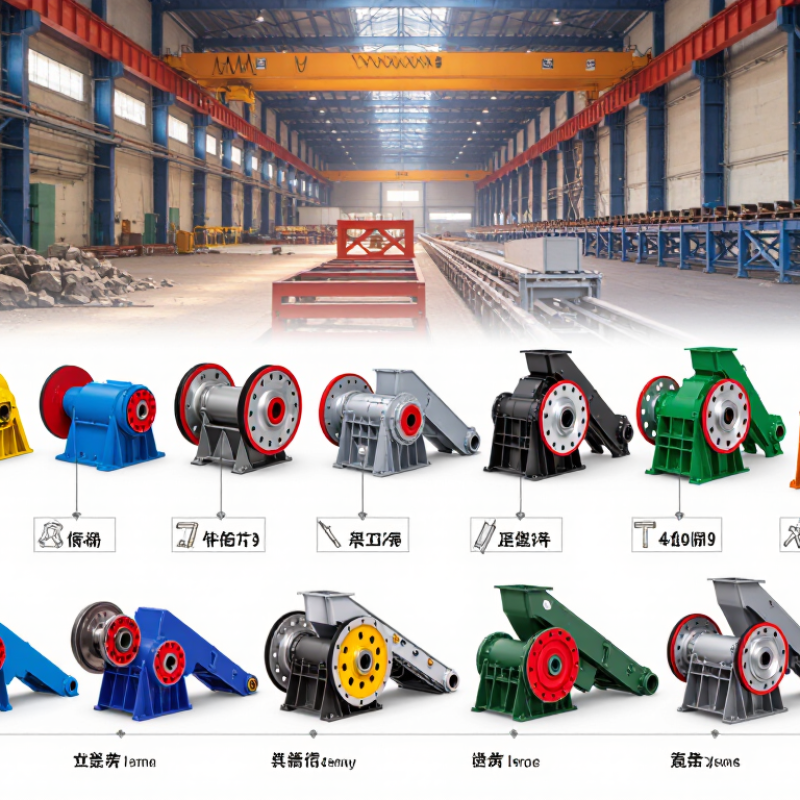
Impact Crusher Fundamentals: 10:1–20:1 Reduction Ratios and Key Components
Impact crushers use rapid impact to break feed material against blow bars and impact plates. A 10:1–20:1 reduction ratio is a useful planning range, not a guaranteed result. The ratio compares feed size with product size, but measurement methods can vary. Feed hardness, moisture, particle shape, rotor speed, and discharge settings all affect the final product. Small changes matter.
Key components work together. The rotor carries blow bars, which strike incoming rock. Impact plates redirect material for further breakage, while liners protect internal surfaces from wear. The discharge opening helps control product size. A tighter setting may produce finer material, but can also increase wear or reduce throughput. A clean ratio on paper can still disappoint on site; real feed rarely behaves perfectly.
Tips: Check the feed gradation and moisture before adjusting settings. Inspect blow bars and impact plates for uneven wear, and record product sizes after each change. Keep it practical. If the crusher produces too many fines, review rotor speed and feed consistency before narrowing the discharge opening.
How to Assess China’s Top 10 Makers: Capacity, Feed Size, Power, and Wear Life
China Top 10 Impact Crusher Manufacturers
How to Assess China’s Top 10 Makers: Capacity, Feed Size, Power, and Wear Life
Comparing impact crusher makers requires more than ranking advertised output. Ask for capacity data tied to a stated rock type, feed size, and discharge setting. A figure measured on dry, uniform stone may not reflect a damp, mixed feed. Request a test report or operating reference with similar conditions. Numbers need context. Check whether the quoted capacity is a range or a guaranteed rate, and note the assumptions behind it.
Feed size affects rotor load, product shape, and the risk of blockages. Confirm the maximum feed dimensions and compare them with your actual material, including occasional oversize pieces. Then review motor power alongside throughput; high power alone does not prove efficient crushing. For wear life, ask what alloy and liner thickness are specified, and request replacement intervals from comparable applications. Treat estimates cautiously: abrasive stone, impact speed, and operator settings can change wear quickly. Inspecting sample liners can be useful, though one inspection is not enough.
Tips: Ask for power consumption per tonne, not just motor rating. Watch the discharge during a trial. Record feed size, output, and wear after a fixed operating period.
Compare Models by Throughput (t/h), Maximum Feed Size (mm), and Power (kW)
For a ten-maker impact-crusher shortlist, compare model specifications rather than headline capacity claims. Throughput in tonnes per hour depends on feed grading, material hardness, moisture, and discharge setting. A stated maximum is not a steady production promise. Check whether each figure assumes the same conditions. Small details matter.
Maximum feed size shows whether large blasted rock can enter the chamber without extra breaking. Power, measured in kilowatts, helps indicate drive demand, but it does not predict output by itself. Match feed size and throughput to the intended product size, then verify power requirements against the site’s available supply. USGS Mineral Commodity Summaries 2024 estimates U.S. crushed-stone production at about 1.5 billion metric tons in 2023, underscoring the scale of demand behind equipment selection. For a fair comparison, record each model’s rated t/h, maximum feed in mm, and installed kW, alongside the operating conditions stated in its technical sheet. Catalog data can be inconsistent. That is easy to overlook. Ask suppliers to confirm expected capacity with representative feed samples, and treat unqualified “maximum” figures cautiously.
Choosing a Manufacturer: Match Rock Hardness, Output Size, and Operating Costs
Choosing an impact crusher starts with the rock, not the catalogue’s headline capacity. Limestone may break readily, while hard, abrasive feed can wear blow bars and liners quickly. Check hardness alongside abrasiveness, moisture, and the largest feed pieces. A quarry sample or supervised trial tells more than a single specification. Feed consistency matters.
Then define the product size your plant actually needs. Rotor speed, apron settings, and recirculation can affect the grading, but tighter settings may increase wear or reduce throughput. Ask for test results using comparable material, including the share of oversize product. A neat output curve on paper may not survive variable feed.
Operating cost includes more than electricity. Compare expected wear-part life, replacement time, power draw, and the cost of stopping a line. Ask how maintenance access works: can crews inspect the chamber safely and change parts without awkward lifting? Estimate cost per saleable tonne, not just purchase price. That part is easy to underestimate. No estimate is perfect; local rock conditions and operator habits can shift the result. A useful manufacturer will explain assumptions and identify where trial data is still needed.