Top 10 Benefits of Using a Centrifugal Exhaust Fan in Industries?
In industrial settings, the importance of efficient ventilation cannot be overstated. Centrifugal Exhaust Fans play a crucial role in maintaining air quality and safety. According to the American Society of Heating, Refrigerating and Air-Conditioning Engineers (ASHRAE), proper ventilation can reduce airborne contaminants, thus enhancing worker productivity and health. These fans are designed to move large volumes of air, effectively removing pollutants from workspaces.
The use of Centrifugal Exhaust Fans has been linked to significant energy savings. A report by the U.S. Department of Energy indicates that energy-efficient fans can lead to reductions in operational costs of up to 30%. This statistic highlights the dual benefit of leveraging these fans—not only do they improve air quality, but they also contribute to cost efficiency. Industries like manufacturing and pharmaceuticals require such solutions for compliance with stringent regulations.
However, not all centrifugal fan systems are created equal. Choosing the right system requires careful consideration of design, application, and maintenance. Many businesses overlook these factors, risking performance and reliability. A reflection on past decisions can help inform better choices in the future, ensuring that the benefits of using Centrifugal Exhaust Fans are fully realized.
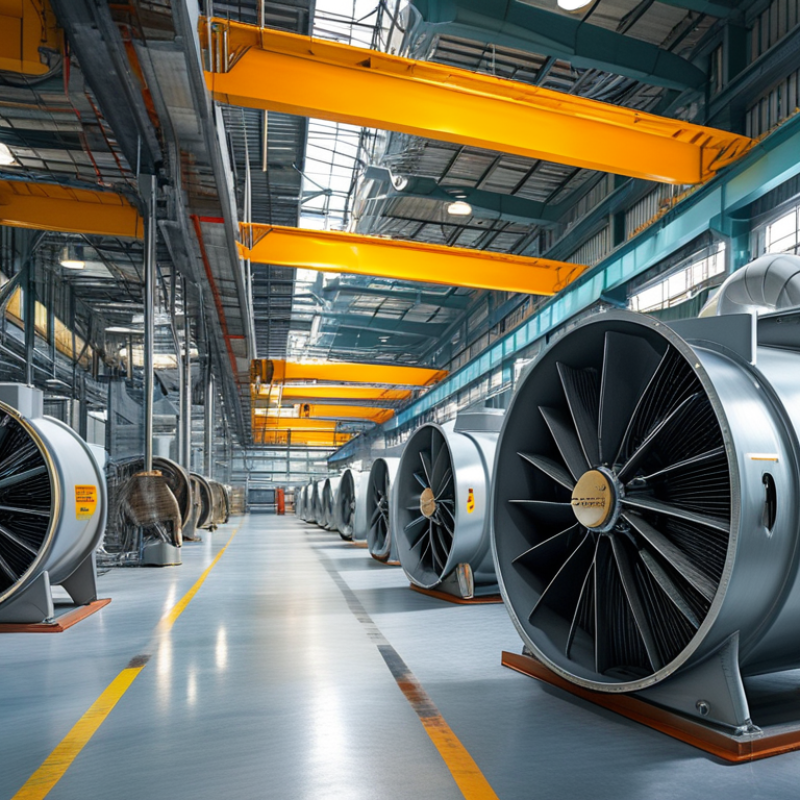
Overview of Centrifugal Exhaust Fans and Their Functionality
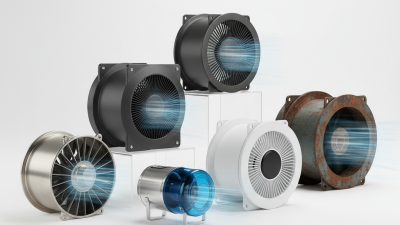
Centrifugal exhaust fans are essential in various industries. They move air effectively, ensuring optimal ventilation. These fans operate by converting rotational energy into airflow. Their design allows for high-pressure airflow, crucial for expelling contaminants and excess heat.
The functionality of centrifugal exhaust fans is rooted in their unique structure. They feature a wheel, or impeller, that spins rapidly, drawing air into the center. This process increases air pressure and directs it outwards. According to industry reports, using these fans can improve air quality in manufacturing settings by up to 30%. This is vital for worker health and compliance with safety standards.
Tips: Regular maintenance of fans can enhance their efficiency. Clean the blades and check for wear regularly. Consider noise levels when installing, as some centrifugal designs can be noisier than others. This can impact worker productivity.
Also, larger industrial setups might find variable speed drives beneficial. They allow for adjusting airflow based on real-time needs, potentially saving energy costs. Keeping in mind the type of environment and specific requirements can lead to better performance and longevity of the equipment.
Enhanced Airflow Efficiency in Industrial Settings
Centrifugal exhaust fans play a crucial role in enhancing airflow efficiency in industrial environments. They are designed to handle large volumes of air while minimizing energy consumption. This efficiency is vital for factories where proper ventilation is necessary to ensure a safe and productive workspace. Effective airflow helps to remove contaminants and regulate temperature, contributing to a healthier work environment.
Despite their advantages, selecting the right centrifugal fan can be challenging. Factors such as air pressure requirements and duct design must be considered. In some cases, users may underestimate the importance of fan maintenance. Neglecting this aspect can reduce airflow efficiency over time. Regular checks and balances can help sustain performance and prevent unexpected downtimes in operations.
Moreover, not all industrial settings may benefit equally from these fans. In some cases, noise levels may become an issue. The loud operation can distract workers, affecting overall productivity. Finding the right balance between efficiency and comfort is essential. As industries evolve, continuous assessment of air management systems is necessary to adapt to changing needs.
Top 10 Benefits of Using a Centrifugal Exhaust Fan in Industries
| Benefit |
Description |
Impact |
| Enhanced Airflow Efficiency |
Optimizes the movement of air, ensuring better ventilation. |
Improved air quality and reduced heat buildup. |
| Energy Savings |
Utilizes less energy compared to traditional fans. |
Lower operational costs and reduced carbon footprint. |
| Durability |
Designed for long-lasting performance in harsh environments. |
Reduced maintenance costs and downtime. |
| Noise Reduction |
Operates quietly, minimizing disturbances in the workplace. |
Better workplace environment and improved worker comfort. |
| Versatility |
Can be used in various applications and industries. |
Adaptable solutions for different industrial needs. |
| Improved Air Quality |
Effectively removes contaminants and pollutants. |
Healthier environment for workers. |
| High Performance |
Delivers consistent airflow under varying load conditions. |
Reliable operation for critical applications. |
| Compact Design |
Space-efficient design makes installation easier. |
Ideal for facilities with limited installation space. |
| Cost-Effectiveness |
Reduces overall ventilation costs while maintaining performance. |
Better return on investment over time. |
| Ease of Maintenance |
Simplified maintenance procedures enhance longevity. |
Lower total cost of ownership. |
Reduction of Workplace Airborne Contaminants
Centrifugal exhaust fans play a crucial role in reducing airborne contaminants in industrial settings. These fans efficiently extract air, removing dust, fumes, and volatile organic compounds from the workspace. Many industries face severe air quality challenges. Toxic chemicals can build up, leading to health risks for workers. Using a centrifugal exhaust fan minimizes these dangers.
Improved air quality directly affects productivity. Workers can breathe easier in a cleaner environment. When air contaminants decrease, the overall health of employees improves. This reduction leads to fewer sick days and higher morale. However, installing a centrifugal exhaust fan requires careful planning. Improper installation can limit its effectiveness. Regular maintenance is also necessary to ensure optimal performance.
In some cases, the initial investment may seem high. Yet, the long-term benefits often outweigh these costs. Industries must consider the potential savings from reduced health risks and increased efficiency. Understanding the balance between cost and benefit is essential for informed decisions. Ultimately, prioritizing air quality fosters a healthier workplace.
Energy Savings and Sustainability Benefits
Centrifugal exhaust fans are vital in various industrial settings. Their design offers exceptional energy efficiency, leading to significant savings. By using these fans, industries can maintain optimal airflow with reduced energy consumption. This efficiency translates directly into lower operational costs. Additionally, this reduction in energy use contributes to a smaller carbon footprint, fostering sustainability.
Implementing centrifugal fans can also improve air quality. This is especially critical in environments with volatile organic compounds or dust. Enhanced ventilation leads to a healthier workspace and boosts employee productivity. However, not all facilities recognize the long-term benefits of these systems. Some hesitate to invest in modern solutions, fearing upfront costs. Yet, the return on investment becomes apparent over time, with savings on energy bills and maintenance.
Regular maintenance of centrifugal fans is essential to maximize efficiency. Over time, dust buildup can hinder performance. Industries must ensure that fans are cleaned and inspected periodically. This proactive approach can prevent inefficiency and extend the life of the equipment. Many facilities overlook this aspect, risking higher costs and reduced efficacy. A consistent review of fan performance identifies areas needing improvement, enhancing both energy savings and overall sustainability.
Versatility and Applications Across Various Industries
Centrifugal exhaust fans are essential in various industries for their outstanding versatility. They serve critical functions in settings such as manufacturing plants, warehouses, and laboratories. These fans effectively remove heat, dust, and fumes, ensuring a safe work environment. Their ability to operate under high pressure makes them suitable for complex ventilation systems.
In food processing, centrifugal fans maintain air quality and temperature control. This is crucial for product freshness. In chemical plants, they help mitigate hazardous fumes. However, improper installation may lead to inefficiencies. Regular maintenance is necessary for optimal performance.
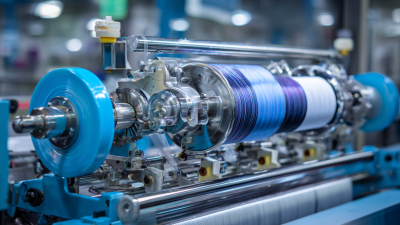
These fans also shine in the textile industry, where they handle fibers and ensure clean air. Versatile applications enhance their appeal across sectors. Nevertheless, selecting the appropriate fan size and type is vital. A mismatch could affect operational efficiency. Users should evaluate specific needs carefully to maximize the benefits.
Top 10 Benefits of Using a Centrifugal Exhaust Fan in Industries