Top 10 Cone Crusher Models for Efficient Mining Operations?
In today’s mining operations, efficiency is paramount. The right equipment can make a significant difference. Among these, the Cone Crusher stands out for its versatility and effectiveness. These machines crush rock and ore into smaller fragments, ensuring efficient processing.
The performance of a Cone Crusher directly impacts productivity and costs. Various models cater to specific needs and environments. Choosing the wrong model may lead to increased downtime or poor performance. Each crusher has its strengths and weaknesses, and understanding these is crucial.
Over the years, advancements have enhanced Cone Crushers significantly. Innovative designs improve reliability and reduce maintenance needs. However, not all models suit every application. It's essential to critically evaluate each machine in the context of your operation. Understanding your requirements will help in making informed decisions.
Overview of Cone Crushers in Mining Operations
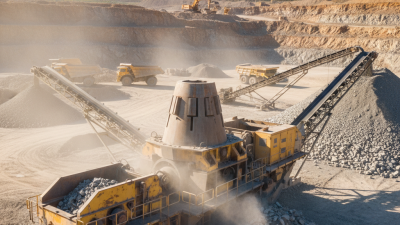
Cone crushers play a crucial role in mining operations. They are designed to reduce large rocks into smaller, manageable sizes. This process is essential for efficient material handling and processing. In an era where resource efficiency matters, understanding these machines is vital for optimization.
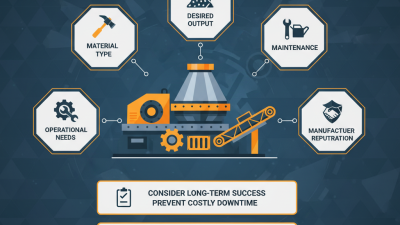
Effective selection of a cone crusher model can enhance productivity. Various models have unique characteristics, influencing their performance in different settings. Some may excel in high-volume applications, while others are better suited for versatility and durability. Operators must consider rock type, feed size, and desired output when choosing a model. Each choice carries risks and rewards, making the decision process complex.
Moreover, maintenance and operational practices considerably impact the efficiency of cone crushers. Regular inspections can prevent costly breakdowns and prolong equipment life. It's essential for teams to be trained in both operation and upkeep. Failure to do so can lead to unexpected downtime and inefficient processes. Ultimately, a balance between technology and human expertise is key to harnessing the full potential of cone crushers in mining operations.
Key Features to Look for in Cone Crusher Models
When selecting a cone crusher for efficient mining, key features matter. Focus on the crushing capacity. A higher throughput ensures better productivity. Check the adjustment capabilities too. Easy adjustments allow quick responses to material changes.
Durability is vital. A robust design withstands harsh mining conditions. Look for models with quality materials that reduce wear. This extends the lifespan and requires fewer replacements, ultimately saving costs.
Consider the energy efficiency of the model. Energy-saving features help reduce operational costs. Examine upkeep requirements as well. Some crushers need more frequent maintenance. Opting for models that are easier to service can prevent downtime. Choose wisely, as not every feature may align with your needs.
Top 10 Cone Crusher Models and Their Specifications
When selecting a cone crusher, understanding the specifications is crucial. Different models cater to various extraction processes in mining operations. Key aspects include the crusher's size, weight, and power consumption. These factors significantly influence productivity and efficiency.
For instance, certain models excel in crushing larger materials, while others are designed for finer outputs. Capacity ranges can differ, with some models able to process several hundred tons per hour. It's essential to analyze the specific needs of your operation to make an informed choice.
Reliability is another critical element. Cone crushers require consistent maintenance to function optimally. Additionally, operators must consider the availability of parts and support services. Not all models have equal support networks, which could affect uptime. Investing time in researching different models can lead to better long-term performance in the mining sector.
Comparison of Efficiency and Performance in Cone Crushers
When evaluating cone crushers in mining operations, efficiency and performance are crucial. High-efficiency models significantly impact productivity and operational costs. According to a recent industry report, modern cone crushers can achieve up to 90% operational efficiency. This performance is often related to design advancements, such as enhanced crushing chambers.
Another critical factor is throughput capacity. It varies across different models. Recent data shows that some crushers can process more than 1,000 tons of material per hour. However, maintaining optimal performance is not just about capacity. Regular maintenance is essential. Neglecting routine checks can lead to unexpected downtimes and costly repairs.
Moreover, energy consumption plays a significant role. Operators must balance output with energy costs. Models that use advanced technology can reduce energy consumption by 30% or more. Yet, these innovations often come with higher initial investments. It's a delicate balance between long-term savings and upfront costs. Adjusting to industry demands while ensuring reliability requires ongoing assessment and adaptations.
Maintenance and Operational Considerations for Cone Crushers
Effective maintenance of cone crushers is crucial for efficient mining operations. Regular inspections play a vital role in identifying wear and tear. According to a recent industry report, equipment downtime can be reduced by up to 50% with proactive maintenance. Proper lubrication and consistent monitoring of hydraulic systems can prevent costly repairs.
[图片]
Operational considerations also include optimizing feeding techniques. Uneven feeding can lead to overloading, affecting the crusher's lifespan. It's essential to maintain a consistent feed to ensure smooth operations. Many operators overlook the significance of this, leading to decreased efficiency. Training personnel on best practices can minimize operational errors.
Monitoring vibration levels is another critical aspect. Excessive vibrations can signal internal issues, which may not be apparent immediately. Regular vibration analyses can help catch problems early. Striking a balance between operational demands and maintenance is not easy, but necessary for longevity. Adjusting settings based on material characteristics can enhance output while reducing strain on the equipment.