Top 10 Roller Sleeve Types for Your Painting Project?
Choosing the right roller sleeve can transform your painting experience. Industry expert, John Smith, once stated, "The right roller sleeve makes all the difference in achieving a smooth finish." This idea resonates throughout the painting community.
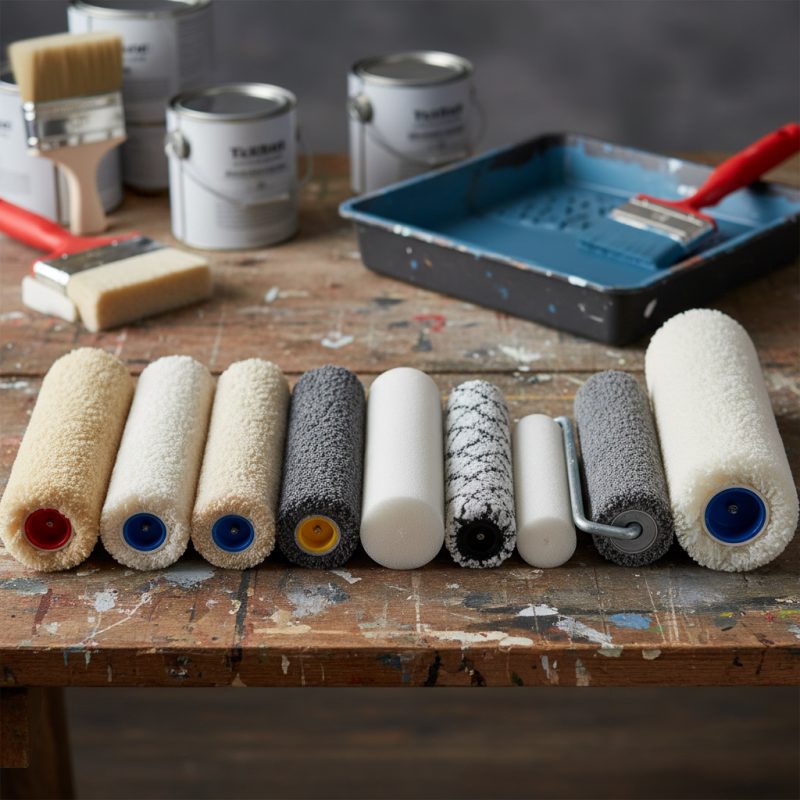
Roller sleeves come in various types, each designed for specific tasks. For instance, a high-pile roller sleeve is excellent for textured surfaces, while a low-pile sleeve is better for smooth walls. The right roller sleeve can minimize roller marks and enhance paint adherence.
However, many painters still struggle with this choice. Often, they overlook the importance of fabric type and nap length. These details matter significantly. A few wrong decisions can lead to an unsatisfactory finish. So, it's crucial to consider the project requirements carefully before selecting a roller sleeve. A little reflection here could result in a much more rewarding outcome.
Overview of Roller Sleeves in Painting Projects
Roller sleeves are essential tools in painting projects. They come in various types, each designed for specific tasks. Understanding these types can significantly impact your painting results. A recent industry report highlighted that the right roller sleeve can reduce paint usage by up to 15%. This is a significant factor for both cost and efficiency.
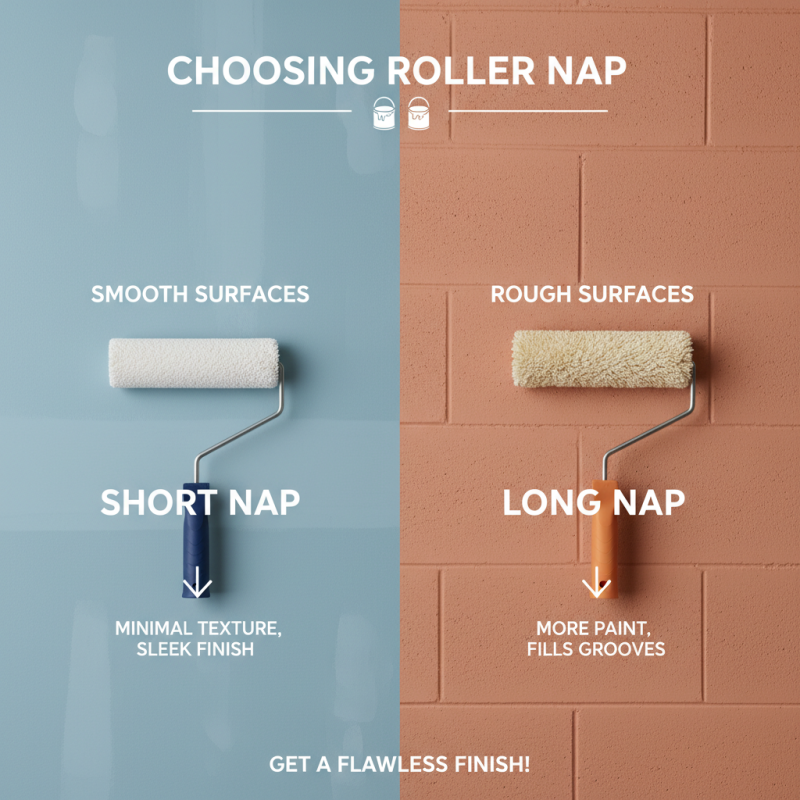
For smooth surfaces, a short nap roller works best. It holds less paint, resulting in a smooth and even finish. On textured surfaces, opt for a medium to long nap sleeve. These sleeves can reach into crevices, ensuring full coverage. Many professionals agree that choosing the right nap can meet specific surface requirements. However, using the wrong type may lead to excessive splatter or uneven application.
Tips: Always test a small area first. This can highlight issues before they become a major concern. Keep an eye on the roller's wear. Once worn, it won't deliver the quality you need. Regular replacements can avoid disappointing results. Understanding the materials you're working with is vital. Incorrect choices could lead to frustrating setbacks during your project.
Types of Roller Sleeve Materials and Their Uses
Choosing the right roller sleeve material can make a significant difference in your painting project. Different materials suit various surfaces and paint types. For instance, synthetic fibers work well with water-based paints. They provide a smooth finish on surfaces like drywall and ceilings. Natural materials, such as mohair, are better for achieving a plush texture. This texture is essential for painting rough surfaces.
Another factor to consider is nap length. A shorter nap is suitable for smooth surfaces. It minimizes paint absorption, leading to less mess. Conversely, a longer nap captures more paint. This is ideal for textured or uneven surfaces. However, it often results in a more labor-intensive process.
Quality matters too. Some sleeves shed fibers easily, leaving an uneven coat. It’s essential to test a small area first. A roller that wears out quickly can impact your entire project. Ensure you have the right roller sleeve to match your paint and surface type. Impatience can lead to frustration, and not every choice will be perfect.
Top 10 Roller Sleeve Types for Your Painting Project
Choosing the Right Roller Sleeve Nap for Your Surface
Choosing the right roller sleeve nap is crucial for achieving a smooth, even finish on your painting project. The nap length you select impacts how well the paint adheres to the surface. For smooth surfaces, a roller sleeve with a short nap is ideal. This type minimizes texture and provides a sleek finish. Conversely, for rough or textured surfaces, a longer nap can hold more paint and fill in grooves effectively.
It's important to reflect on your choice of nap. Picking the wrong length can lead to uneven application. If you use a short nap on a textured wall, you might find yourself repainting sooner than expected. On the flip side, using a long nap on a smooth surface may leave an unwanted texture. Learning from these mistakes can guide your future projects. Each surface calls for its own approach, so take the time to assess the area before starting. Consider the paint type, and match the roller sleeve nap accordingly.
Specialized Roller Sleeves for Different Paint Types
When selecting roller sleeves for painting projects, it's important to consider the type of paint you'll use. Different paints require varying roller sleeve materials to achieve the best results. For water-based paints, a synthetic fabric like polyester works well. It absorbs moisture and spreads paint evenly. This combination minimizes the risk of streaks or uneven coverage.
Oil-based paints, on the other hand, often benefit from natural fabrics. Mohair or lambswool sleeves provide excellent coverage. They hold more paint and release it smoothly. However, these sleeves can be more challenging to clean. Proper care and cleaning are essential to avoid wasting materials.
Specialized roller sleeves are also available for textured surfaces. These have longer fibers, allowing them to reach into grooves and recesses. They can create a uniform finish, but achieving that may take practice. Sometimes, less experienced painters may unintentionally miss spots or create an uneven application. Selecting the right sleeve is crucial, but applying paint evenly requires skill and patience.
Maintenance Tips for Prolonging Roller Sleeve Lifespan
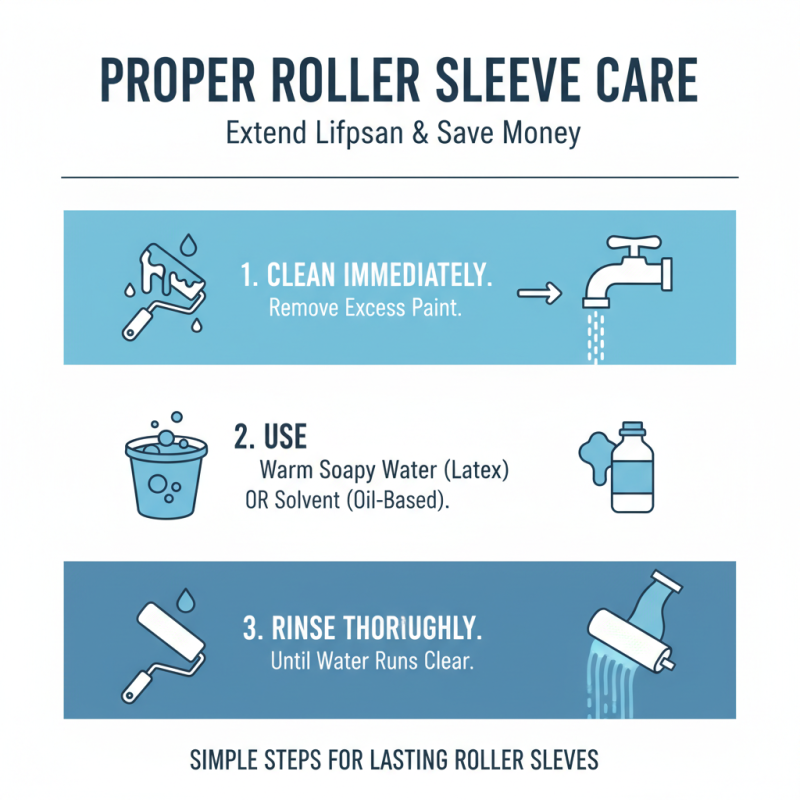
When you invest in a roller sleeve for your painting project, proper care can make a big difference. To extend its lifespan, keep the roller sleeve clean after each use. Remove excess paint immediately. Use warm soapy water for water-based paints, or a suitable solvent for oil-based paints. Rinse thoroughly until the water runs clear. This simple tip can save you money over time.
Store the roller sleeve properly. Avoid leaving it damp in a bag or container. Instead, hang it up or lay it flat to dry completely. This prevents mold and preserves the fibers. Investing a few minutes in this process prevents the irritation of using worn sleeves.
Finally, remember to check for wear and tear before starting a new project. Look for frayed edges or loss of nap. A compromised roller sleeve can ruin your paint job. Don’t hesitate to replace it if necessary – it’s worth it for a smooth finish.