How to Choose a Magnetic Suspension Centrifugal Blower for Your Needs?
Choosing the right Magnetic Suspension Centrifugal Blower is crucial for optimal performance. This decision impacts energy efficiency, noise levels, and operational reliability. With numerous options available, understanding your specific needs becomes essential.
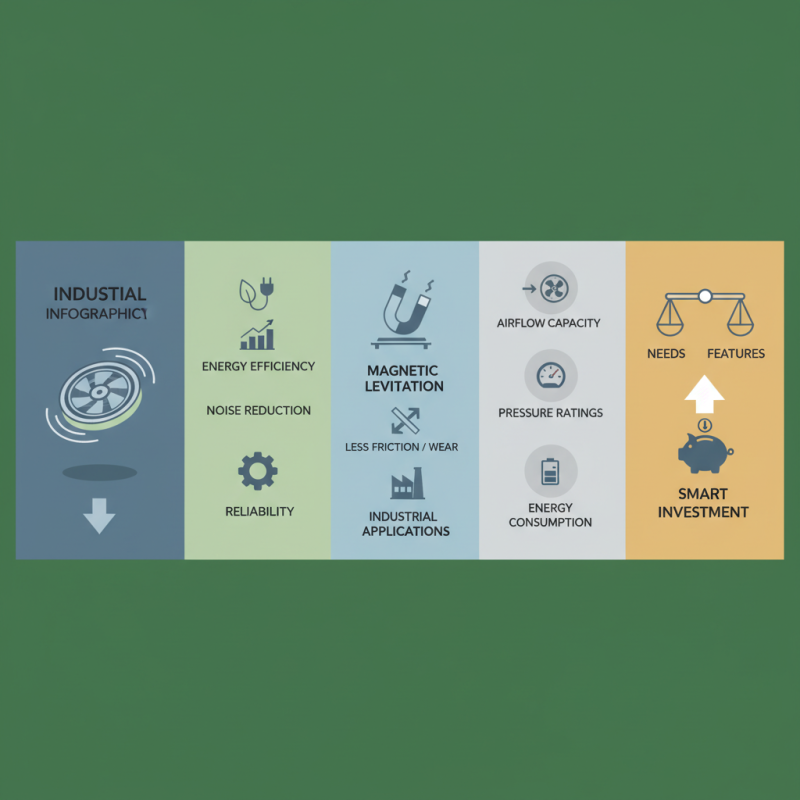
Magnetic Suspension Centrifugal Blowers are unique. They use magnetic levitation technology, which greatly reduces friction. This feature leads to less wear and tear, potentially saving you maintenance costs. Your application demands will guide the size and power requirements of the blower.
Many factors can influence your choice. Pay attention to airflow capacity, pressure ratings, and energy consumption. While the latest models may look appealing, consider whether they meet your practical needs. It's easy to get caught up in advanced features but stay focused on what benefits your application most. Balancing these aspects is key for making a wise investment.
Understanding Magnetic Suspension Centrifugal Blowers and Their Types
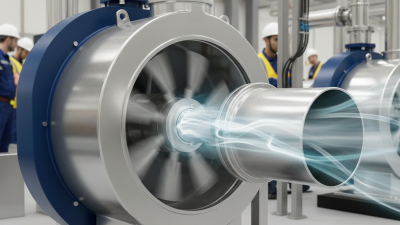
Magnetic suspension centrifugal blowers are becoming increasingly popular in various industrial applications. These advanced devices utilize magnetic levitation to reduce friction. This leads to higher efficiency and lower noise levels. According to a recent report by the International Journal of Energy Research, magnetic suspension systems can achieve energy savings of up to 30% compared to conventional blowers.
There are several types of magnetic suspension centrifugal blowers available on the market. Each type serves different purposes and functions. An axial blower is designed for high-volume air movement, while a radial blower offers higher pressure capabilities. The choice depends on specific needs. An important consideration is the application. For instance, in HVAC systems, the quiet operation of a magnetic suspension blower is essential. A study by the American Society of Heating, Refrigerating and Air-Conditioning Engineers highlights that sound levels can drop by 20 dB in such systems.
Selecting the right blower type can be complex. It requires analyzing factors like airflow requirements and space constraints. Improper choices can lead to inefficiency or equipment failure. As industries evolve, the need for reliable and efficient support grows. Addressing these needs effectively is vital. Making informed decisions about blower selection ensures optimal performance and longevity.
Key Factors to Consider When Selecting a Blower for Your Application
Selecting the right magnetic suspension centrifugal blower involves several key factors. Understanding your specific application is crucial. You need to determine the required airflow, pressure, and efficiency. For instance, an industrial application may require different specifications compared to a smaller workshop environment. Assessing the environmental conditions is also vital. High humidity or temperature variations can affect performance and durability.
Another important aspect is noise level. If the blower will be used in noise-sensitive areas, look for quieter models. Energy efficiency is another critical consideration. Energy-efficient blowers can lead to significant savings over time. It's essential to find a balance between power consumption and performance.
Don't overlook maintenance requirements. Some models may need regular servicing, while others might have a more extended service interval. Researching user reviews and expert opinions can provide valuable insights. However, it’s important not to rely solely on online information. Speaking with industry professionals or consulting guidelines can lead to better decisions. Be cautious with choices; what works for one scenario might not suit another.
Evaluating Performance Specifications and Energy Efficiency Ratings
When selecting a magnetic suspension centrifugal blower, energy efficiency and performance specifications are critical factors. Energy efficiency ratings, such as those from the Department of Energy, provide valuable insights. A blower with a higher efficiency rating can save significantly on electricity, with some models boasting savings of up to 30% compared to traditional options.
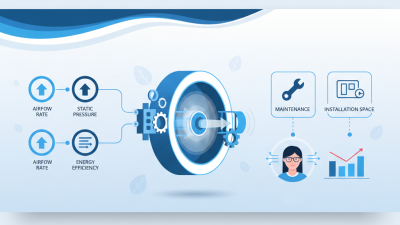
Examining performance specifications, like airflow capacity and static pressure, is essential. Most industry reports indicate that a blower’s performance can greatly impact operational efficiency. For instance, a blower providing 5000 CFM with a static pressure of 10 inches can effectively move air in demanding applications. However, mismatched specifications can lead to increased energy consumption and system overload.
It's vital to remember that while these metrics are essential, they may not encompass every operational scenario. Sometimes, the best specifications on paper do not translate to optimal performance in real-world conditions. Factors such as installation quality, system compatibility, and maintenance greatly influence overall reliability. Investing time in thorough research can prevent costly mistakes down the line.
How to Choose a Magnetic Suspension Centrifugal Blower for Your Needs? - Evaluating Performance Specifications and Energy Efficiency Ratings
| Model |
Air Flow (CFM) |
Static Pressure (inches WG) |
Power Consumption (kW) |
Efficiency Rating |
| Model A |
1200 |
5.0 |
2.5 |
85% |
| Model B |
1500 |
6.0 |
3.0 |
90% |
| Model C |
1800 |
7.0 |
3.5 |
88% |
| Model D |
1600 |
7.5 |
3.8 |
89% |
| Model E |
2000 |
8.0 |
4.0 |
87% |
Installation and Maintenance Requirements for Magnetic Suspension Blowers
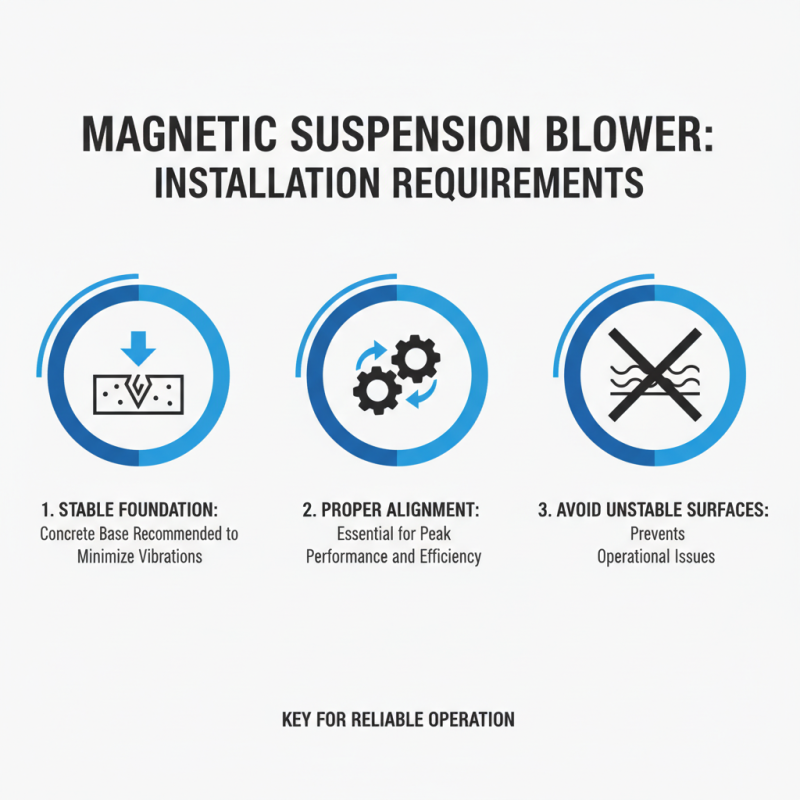
When selecting a magnetic suspension blower, understanding the installation requirements is crucial. Ensure your setup has a stable foundation. This type of blower often requires a concrete base to minimize vibrations. An unstable surface can lead to operational issues. Proper alignment is vital for peak performance, too. Small misalignments can cause inefficiencies.
Maintenance is equally important. Regular inspections can prevent significant problems. Check for wear and tear on bearings and seals. Dust accumulation can impair functionality. Keeping the blower clean extends its lifespan. Consider establishing a routine maintenance schedule. Yet, some users may overlook this, resulting in costly repairs.
Moreover, monitor the blower's performance metrics. Any significant fluctuation can indicate underlying issues. Users sometimes ignore these signs until it’s too late. A proactive approach to both installation and maintenance can enhance reliability. With careful planning and regular checks, your magnetic suspension blower can fulfill its purpose effectively.
Cost Analysis: Budgeting for Purchase and Long-term Operational Costs
When budgeting for a magnetic suspension centrifugal blower, the initial purchase price is just the beginning. Research reveals that operational costs can fluctuate significantly. According to the U.S. Department of Energy, energy consumption can account for up to 75% of total lifetime costs for industrial blowers. This highlights the necessity of considering energy efficiency during your selection process.
Life cycle costs need careful evaluation. A study from the Energy Savings Trust stated that a more efficient blower could save up to $1,000 annually in operational expenses compared to a less efficient model. These potential savings should inform your purchasing decision. Also, regular maintenance is crucial. Neglecting routine checks can lead to unplanned downtime and increased costs. Some sources suggest that maintenance accounts for 15-20% of long-term ownership costs.
Assessing your long-term operational costs is vital. Often, decision-makers focus solely on upfront costs. This can lead to regrettable choices. By prioritizing energy efficiency and maintenance needs, buyers can avoid common pitfalls. For facilities with tight budgets, understanding these aspects can result in sustainable savings and reliable performance over time.