Top 10 Benefits of Using Tungsten Carbide Roller Sleeves?
The manufacturing industry has seen significant advancements with the adoption of Tungsten Carbide Roller Sleeves. According to the Global Market Insights report, the demand for these sleeves is expected to grow by over 7% annually. This growth is primarily due to their superior durability and enhanced performance in various applications.
Tungsten Carbide Roller Sleeves outperform traditional materials in terms of wear resistance and longevity. These sleeves can withstand temperatures beyond 1,500 degrees Fahrenheit, making them ideal for high-stress environments. Companies investing in these products report lower maintenance costs and reduced downtime, translating to increased productivity.
However, understanding the full range of benefits is essential. While the initial investment in Tungsten Carbide Roller Sleeves may be higher, the long-term savings can be substantial. It's important for businesses to weigh the upfront costs against potential operational efficiencies. Continuous research in material science reveals new applications, highlighting the evolving value of these sleeves.
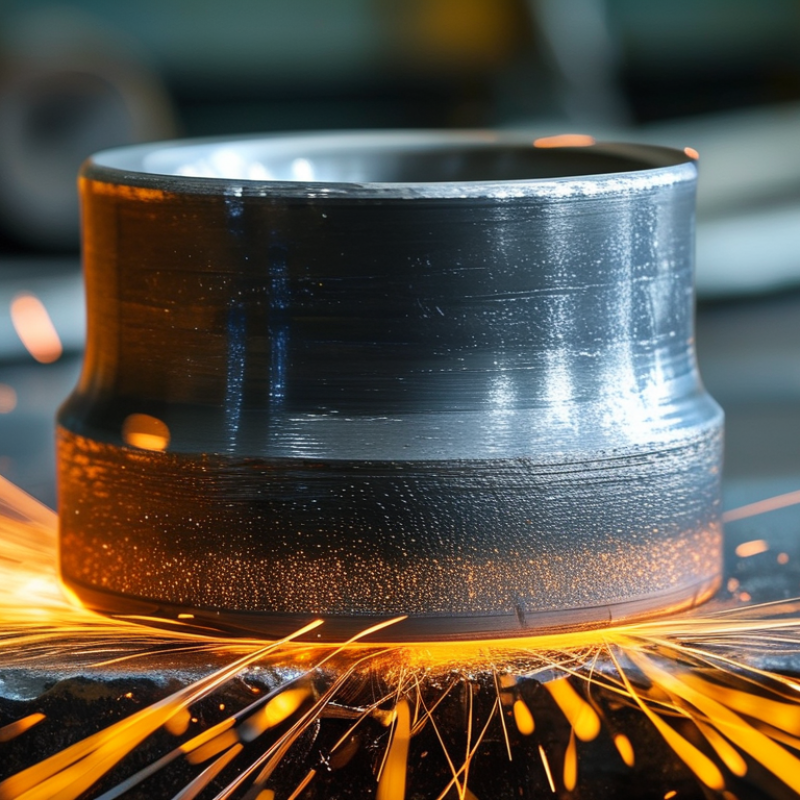
Benefits of Tungsten Carbide Roller Sleeves in Manufacturing
Tungsten carbide roller sleeves are becoming essential in modern manufacturing. Their hardness is remarkable, significantly outperforming previous materials. This durability translates into longer service life and reduced wear rates. As a result, manufacturers can experience fewer unplanned downtimes. The cost savings from this alone can be significant, especially in high-volume production settings.
Another advantage lies in their resistance to heat and corrosion. Tungsten carbide remains stable under extreme conditions. This stability ensures that the sleeves maintain their integrity and function effectively. Users report fewer failures in challenging environments, leading to a more reliable production line. However, it’s crucial to consider that not all applications may benefit equally. Regular assessments and adjustments are necessary to harness their full potential.
Lastly, tungsten carbide roller sleeves offer improved surface finish on products. The smoothness achieved enhances the quality of the final output. This aspect is particularly important in industries where precision is vital. Nevertheless, transitioning to tungsten carbide involves an upfront cost. Companies must weigh these factors carefully against the potential long-term benefits. Importantly, investing time to understand specific needs can lead to better implementation.
Enhanced Wear Resistance of Tungsten Carbide Roller Sleeves
Tungsten carbide roller sleeves are becoming increasingly popular due to their exceptional wear resistance. These sleeves are made from a composite material that combines tungsten and carbon. This unique blend gives them a hardness level that is much higher than traditional materials. This property allows them to withstand extreme conditions better than their counterparts.
The enhanced wear resistance translates to longer service life for machinery. Businesses often face costly downtimes due to equipment failure. Tungsten carbide roller sleeves minimize these interruptions. When wear and tear occur, critical parts may need replacement. By using these sleeves, potential failures can be significantly reduced. This approach ultimately saves time and money.
However, there can be challenges with the installation of tungsten carbide sleeves. Precision is essential during the installation process. Imbalances or misalignments can lead to premature wear. Proper training and expertise in the application are necessary. It is important to address these potential pitfalls to fully harness the benefits. Adapting to these sleeves can initially be a learning curve, but the long-term benefits are worth it.
Improved Surface Finish with Tungsten Carbide Roller Sleeves
Tungsten carbide roller sleeves provide significant advantages, especially in enhancing surface finish. These sleeves are known for their exceptional hardness and wear resistance. According to recent industry reports, they can extend the lifespan of machinery components by up to 60%. This durability translates to fewer replacements, saving costs.
Using tungsten carbide sleeves can lead to improved surface textures in finished products. The fine grain structure of tungsten carbide creates a smoother finish compared to traditional materials. This quality can result in better performance in applications requiring precision. In one study, manufacturers noted a 25% increase in surface quality due to the use of these sleeves.
However, achieving optimal results requires careful consideration of parameters, such as coating and application techniques. Ensuring proper alignment and installation is crucial. Neglecting these factors can diminish the potential benefits. Industry experts emphasize that without attention to detail, one could miss out on the full advantages of tungsten carbide technology.
Cost-Efficiency of Using Tungsten Carbide Roller Sleeves
Tungsten carbide roller sleeves are gaining attention for their cost-efficiency. These sleeves are robust and designed for high-performance applications. They withstand wear and offer a longer lifespan compared to traditional rollers. This durability reduces the need for frequent replacements, ultimately cutting down on maintenance costs.
Using tungsten carbide can significantly lower operational expenses. While the initial investment might be higher, the long-term savings are undeniable. Companies benefit from reduced downtime and less frequent repairs. This allows for smoother operations and better productivity.
It’s important to evaluate the total cost of ownership. Some organizations might overlook the upfront costs without considering the bigger picture. Balancing initial expenditure and long-term benefits is crucial. Tungsten carbide's superior characteristics can justify the investment. However, it requires a careful assessment to fully realize its advantages.
Top 10 Benefits of Using Tungsten Carbide Roller Sleeves
This bar chart illustrates the top 10 benefits of using tungsten carbide roller sleeves, highlighting factors such as cost efficiency, durability, performance, and enhanced wear resistance, among others. Each benefit is rated on a scale from 1 to 10, reflecting its significance in practical applications.
Reduced Maintenance Needs with Tungsten Carbide Roller Sleeves
Tungsten carbide roller sleeves offer significant advantages, particularly regarding maintenance.
The durability of tungsten carbide can lead to lower maintenance needs. This material has a high
resistance to wear and tear, which means less frequent replacements and repairs. Industry reports
indicate that using tungsten carbide can reduce downtime by up to 30%, as machinery spends less
time undergoing maintenance.
Regular maintenance for traditional roller sleeves can be intensive, requiring frequent checks
and replacements. In contrast, tungsten carbide sleeves often show a lifespan of 10 times that
of conventional materials. This reduction in maintenance translates to cost savings for businesses.
Companies can allocate resources more efficiently, focusing on productivity rather than repairs.
When considering roller sleeves, assess their wear properties. Look for data on performance under
different loads and speeds to gauge durability. Regular inspections can still be beneficial, even
with tungsten carbide. Adopting a proactive maintenance schedule ensures optimal performance.
Reviewing your equipment regularly helps identify potential issues before they escalate. This
ensures smoother operations and enhances overall efficiency in manufacturing processes.