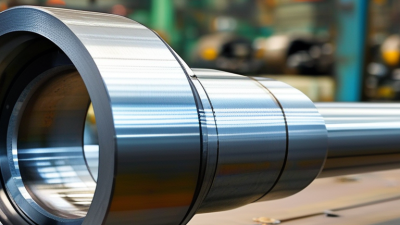
A Gyratory Crusher is built for demanding primary crushing, where large rocks meet a heavy-duty mantle and concave. In mines and quarries, its capacity can influence the pace of an entire processing line. Yet a manufacturer’s reputation alone cannot determine whether a crusher suits a particular operation. Feed size, rock hardness, required throughput, maintenance access, and site constraints all matter.
This overview introduces leading gyratory crusher manufacturers and the factors that distinguish their equipment. It considers engineering experience, product range, service support, and practical design details, such as access to wear parts and the ease of inspecting key components. These details are easy to overlook in a brochure. They matter on a real shift. A demanding choice.
Manufacturer information should be checked against project requirements and current technical documentation. Specifications and service availability can vary by model, region, and application. No shortlist can capture every site condition, and that limitation is worth admitting. The strongest option may not be the best-known brand; it may be the one whose equipment and support match the mine’s operating realities. This guide offers a starting point for informed comparison, not a substitute for engineering review.
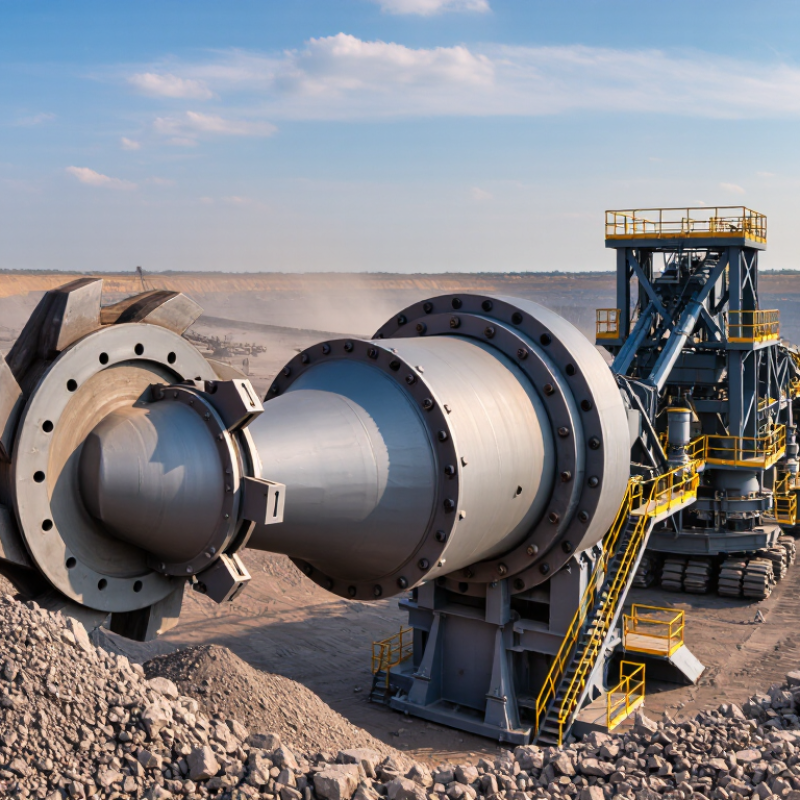
A gyratory crusher is a primary machine that reduces large rocks before further processing. It has a tall, funnel-shaped chamber lined with curved wear surfaces. Inside, a conical mantle moves in a small circular path. The motion is easy to miss from a distance.
Rock enters through the top and settles between the mantle and the stationary concave. As the gap narrows on one side, the rock breaks under compression. The gap opens on the opposite side, letting fragments move downward. This cycle continues, so crushing can happen steadily while material feeds into the chamber. Smaller pieces leave through the bottom. The closed-side setting affects the product size, but feed shape and rock hardness matter too. Not magic, just force. Real rock is inconsistent, and simplified diagrams can hide that.
Tip: Keep feed reasonably even and check for oversized pieces that may bridge the opening. Watch for unusual vibration, rising temperatures, or uneven wear. These signs deserve inspection, not guesswork. Follow the machine’s operating limits and maintenance guidance; a crusher under load can behave differently than an empty one.
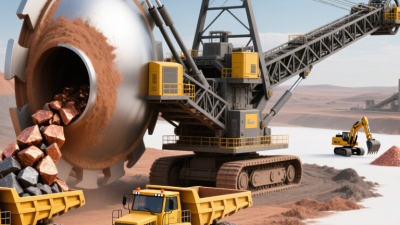
Gyratory crushers use a rotating mantle inside a stationary concave to compress rock. The ranges below show typical reduction ratios, not manufacturer-specific specifications; actual performance depends on feed material, crusher settings, and operating conditions.
Reduction ratio = feed size divided by product size. The bars show approximate industry ranges.
When evaluating gyratory crusher manufacturers, start with the conditions the machine must handle. Compare feed size, ore hardness, moisture, target throughput, and expected operating hours. A design suited to one mine may struggle with another’s feed profile. Ask for performance data from applications with comparable materials, not just a maximum-capacity figure. Look beyond the brochure.
Review the engineering details: chamber options, drive configuration, monitoring systems, and access for routine inspection. Request drawings showing foundation loads and service clearances; a crusher can fit the process flow yet leave crews little room to work. Ask how wear parts are selected and how long typical replacement tasks take. Ask for evidence. Check whether the manufacturer can explain its assumptions and provide practical commissioning and operator training. Clear technical answers matter.
Reliability also depends on parts availability, response times, and support after installation. Request references from operators using similar equipment, then ask about downtime, maintenance intervals, and any gaps between promised and actual performance. Compare warranty terms carefully, but do not treat a long warranty as proof of quality. I would still question any proposal that gives precise savings without showing its calculation. Some estimates will remain uncertain; that is normal. A credible supplier should identify those uncertainties and explain what site data would improve the estimate.
Leading gyratory crusher manufacturers around the world are judged by more than machine size. Their designs must handle variable ore, heavy feed loads, and long operating shifts. A reliable crusher keeps its mantle, concaves, and lubrication system working together under pressure. Small details matter. A blocked oil line or poorly monitored wear part can interrupt an entire crushing circuit.
Manufacturers also differ in how well they support installation and maintenance across distant mining regions. Useful support includes clear operating guidance, accessible replacement parts, and training for site technicians. Buyers should compare feed conditions, required capacity, energy use, and maintenance access before choosing equipment. A crusher suited to hard, abrasive rock may not be the best fit for a different deposit. Field performance deserves close attention.
No single supplier is best for every operation. That is easy to overlook. Published capacity figures rarely tell the whole story, since ore shape, moisture, and upstream feeding affect results. Even experienced teams can misjudge these conditions. Reviewing site data and speaking with operators can reveal practical limits that product sheets leave out. A careful comparison is more useful than a simple global ranking.
Top Gyratory Crusher Manufacturers in the World
Comparing Manufacturers by Technology and Service
Comparing gyratory crusher manufacturers means looking beyond rated capacity. Examine how each design handles ore hardness, feed size, and changing operating conditions. A stable eccentric drive and accessible setting adjustments can help maintain consistent product size. Ask for application data from mines processing material similar to yours. Real operating references matter more than a polished specification sheet. They reveal how equipment performs after the first months.
Tips: Compare liner-change procedures, not just liner life estimates. Check whether remote diagnostics are available and what response times they cover. Request a sample maintenance schedule. Small details count.
Service can separate two technically similar machines. Review commissioning support, operator training, spare-parts availability, and the process for resolving failures. Ask who provides on-site help and how quickly critical components can arrive. A supplier’s service network may be less impressive in a remote region than its brochure suggests. Verify local coverage with current customers. Technology also has limits: sensors can flag unusual vibration, but staff still need clear procedures and sound judgment. This comparison takes effort, and no single metric settles it.
Top Gyratory Crusher Manufacturers in the World
Key Trends Shaping the Gyratory Crusher Industry
Gyratory crusher operations are changing as mines handle harder, more variable ore and seek steadier production. Digital monitoring is becoming more common. Sensors can track vibration, temperature, and power draw, helping teams spot unusual changes before a stoppage occurs. The readings are useful, but they still need skilled interpretation.
Energy efficiency is another priority. Modern designs and careful operating practices can help reduce wasted power, especially when feed size and crusher settings are managed consistently. Small details matter: a blocked chute or uneven feed can affect throughput and wear. No dashboard fixes poor material flow.
Maintenance strategies are also shifting toward condition-based planning. Instead of relying only on fixed service intervals, crews can use equipment data and inspections to schedule work around actual wear. Automation may improve safety by reducing the need for people near moving equipment. Yet automation is not a substitute for training. A practical trend is retrofitting existing machines where upgrades make sense, though older sites can face limits in space, controls, and budgets. Progress is real, but rarely simple.
| Industry Trend | Technology or Design Focus | Operational Relevance | Common Evaluation Measures |
|---|---|---|---|
| Higher primary-crushing capacity | Larger feed openings, robust frames, and designs intended for continuous processing of run-of-mine material. | Gyratory crushers are commonly used as primary crushers in large mines and mineral-processing plants, where they reduce coarse feed before downstream crushing. | Throughput, feed size, product size distribution, and equipment availability. |
| Automation and process control | Integration of sensors, control systems, and automated adjustments to operating settings where supported by the plant design. | Monitoring operating conditions can help operators respond to changing feed and identify abnormal equipment behavior. | Operating hours, alarm history, setting stability, and production interruptions. |
| Condition monitoring and predictive maintenance | Monitoring of indicators such as vibration, temperature, lubrication condition, and hydraulic-system status. | Trend information can support maintenance planning and help detect developing faults before they cause an unplanned shutdown. | Unplanned downtime, inspection findings, maintenance intervals, and component condition. |
| Wear-part life and maintainability | Development of mantle and concave designs, wear-resistant materials, and procedures or equipment for safer component handling. | Wear-part condition affects crushing performance and determines when maintenance or replacement is required. | Wear life, replacement time, liner utilization, and maintenance safety observations. |
| Hydraulic adjustment and overload protection | Hydraulic systems can support setting adjustment and, in applicable designs, provide protection or relief during certain overload conditions. | These functions can assist with adapting the crusher to operating requirements and managing some abnormal loading events. | Setting range, adjustment response, system pressure, and event records. |
| Energy and resource efficiency | Optimization of crusher operation, feed presentation, and coordination with upstream and downstream equipment. | Plant-level improvements can reduce avoidable recirculation, idle operation, or inefficient equipment use; results depend on site conditions and the full process circuit. | Energy use per tonne, throughput, recirculating load, and operating time under load. |
| Digital connectivity and remote support | Use of connected monitoring, equipment data, and remote diagnostic tools where available and permitted by the site. | Access to operating information can support troubleshooting and coordination between site personnel and technical support teams. | Data availability, response time, diagnostic records, and resolution time. |
| Safety-focused maintenance | Attention to access, lifting arrangements, isolation procedures, guarding, and maintenance work practices. | Crusher maintenance involves heavy components and hazardous energy sources, making documented safe-work procedures essential. | Safety inspections, isolation compliance, maintenance task duration, and incident records. |
This table summarizes established gyratory-crusher technologies and industry practices. It provides a qualitative, manufacturer-neutral overview; performance and feature availability vary by equipment design, installation, material, and operating conditions.