INQUIRY
Leave Your Message

China Top 10 Hammer Crusher Manufacturers 2026?

China’s Hammer Crusher market will remain important in 2026, especially for aggregates, limestone, coal, and recycling applications. However, a manufacturer’s size does not prove equipment quality. Real performance appears in daily production.

This guide examines ten Chinese manufacturers through practical criteria. These include rotor design, feed opening, wear-part life, crushing ratio, power use, and after-sales support. Factory experience also matters. A clean showroom is less convincing than a witnessed test run, measured product grading, and clear maintenance records. We will consider export experience, engineering capability, spare-parts availability, and customer feedback from operating sites.

Dr. Alban J. Lynch, a respected mineral-processing authority, emphasized the core purpose of comminution: “The purpose of comminution is to liberate valuable minerals from waste.” That principle remains useful when comparing each Hammer Crusher supplier. A machine must produce the required material, not merely display impressive specifications.

Some rankings may remain debatable. Data can change. Supplier websites may present incomplete information, while customer reviews may reflect unusual operating conditions. Therefore, this article does not treat price as the final answer. It encourages readers to request material tests, inspect key components, and confirm warranty terms before purchasing.

The differences can be small.

A stronger rotor, better balancing, or faster technical response may reduce unexpected downtime. Yet no manufacturer fits every project. The best choice depends on feed hardness, moisture, output size, installation conditions, and budget discipline. This comparison aims to support a careful decision, not create a perfect-looking list.
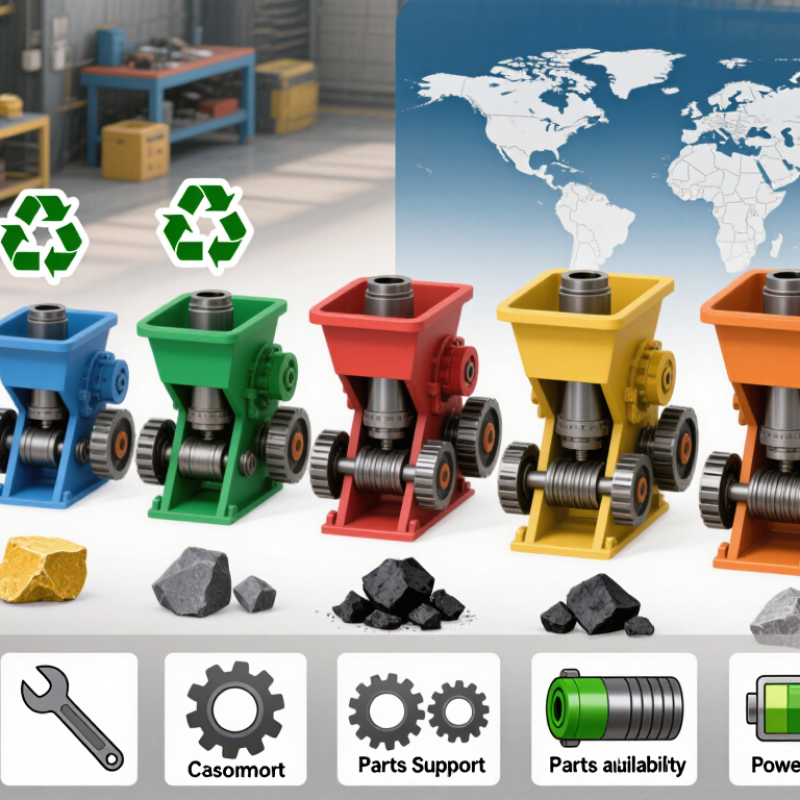
China Top 10 Hammer Crusher Manufacturers 2026?

What Is a Hammer Crusher and How Does It Work?

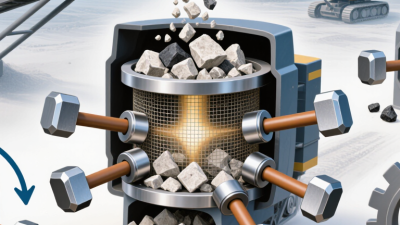
A hammer crusher reduces rock, limestone, coal, and other brittle materials through repeated impact. Inside the machine, a rotor spins at high speed with several hardened hammers attached. Feed enters through the upper opening and falls into the crushing chamber. The hammers strike the material against breaker plates and the chamber walls.

The process is energetic and easy to observe. A fist-sized limestone piece may become fine fragments after several impacts. Smaller particles leave through a grate or adjustable discharge opening. The opening controls the final size, although moisture can change performance. Wet clay may stick inside and reduce capacity. That detail is often underestimated.

From practical inspection, wear appears first on hammer edges, liners, and grate bars. Uneven wear can create vibration, noise, and unstable product size. Operators should check bolt tightness, rotor balance, bearing temperature, and feed consistency during routine maintenance. The machine should never receive metal objects or oversized feed beyond its rated capacity. A magnet and a controlled feeder can reduce avoidable damage.

Hammer crushers work best with properly selected materials and realistic production targets. High speed does not automatically mean better crushing. Excessive speed may increase dust, wear, and power consumption. Engineers usually review hardness, moisture, feed size, and required output before selecting a configuration. Even experienced teams can misjudge local conditions. Field testing remains valuable.
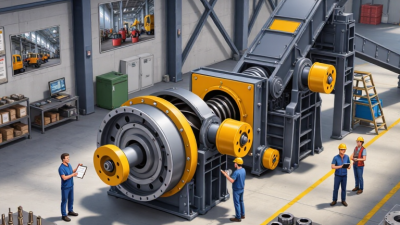
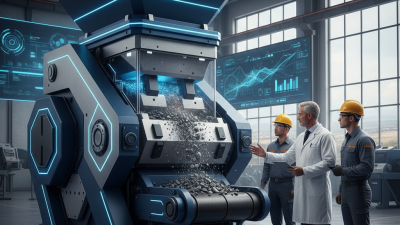
China Top 10 Hammer Crusher Manufacturers 2026: What Is a Hammer Crusher and How Does It Work?

A hammer crusher is a size-reduction machine that uses rapidly rotating hammers to impact and break materials against breaker plates or screens. The chart below presents representative throughput capacities for common hammer-crusher duty classes. Actual performance varies with feed size, material hardness, moisture, rotor speed, grate setting, and discharge size.

How it works: Material enters through the feed opening, is struck by rotating hammers, and is repeatedly impacted until it passes through the selected screen or discharge gap. Higher-duty machines generally provide greater capacity but require more installed power and stronger wear protection.

Key Factors for Evaluating Chinese Hammer Crusher Manufacturers

When comparing China’s top 10 hammer crusher manufacturers in 2026, buyers should examine evidence, not rankings alone. A capable supplier should disclose rotor speed, feed size, output range, and wear-part life. These figures reveal whether laboratory claims match quarry conditions. Request test reports using similar limestone, moisture, and feed gradation.

Energy efficiency deserves close attention. The International Energy Agency reports that electric motor systems consume roughly half of global electricity. Therefore, motor efficiency, transmission losses, and automatic load control affect long-term operating costs.

A 2024 crushing equipment market study estimated global demand at several billion US dollars, showing strong competition but not guaranteed quality. Compare measured tonnes per kilowatt-hour, not attractive catalog language.

Reliability requires traceable proof. Check ISO 9001 certification, welding procedures, bearing records, and documented factory acceptance tests. Ask for independent noise, vibration, and dust-control measurements.

Spare-part availability matters when a hammer fails during a night shift. Delivery statistics can also expose weak planning.

I would not trust a supplier offering only perfect case studies. Real sites have blocked screens, uneven feed, and unexpected downtime. The better manufacturer explains these failures and shows corrective actions. That detail often signals practical experience more clearly than a polished brochure.

Top 10 Hammer Crusher Manufacturers in China in 2026

Top 10 Hammer Crusher Manufacturers in China in 2026

China’s hammer crusher sector serves mining, cement, aggregates, and recycling operations. In 2026, leading manufacturers are judged by more than production scale. Practical experience shows that stable output, replaceable wear parts, and responsive technical support matter greatly. A strong manufacturer should provide verified capacity data, clear drawings, material specifications, and realistic delivery schedules. Some companies may advertise impressive figures, but site conditions can change actual performance. This is where careful evaluation becomes essential.

The top ten manufacturers should be compared through measurable criteria. Review rotor balance, hammer material, crushing ratio, feed-size tolerance, motor efficiency, and dust-control options. Ask for test results using similar limestone, coal, or construction waste. Factory audits can reveal machining quality, welding standards, assembly control, and spare-parts storage. Certifications support credibility, but they do not replace operating evidence. No ranking is perfect. Buyer needs differ, and a smaller supplier may sometimes offer better customization. That possibility deserves attention.

Tips: Request two recent customer references and inspect maintenance records. Confirm warranty limits, installation support, and expected wear-part life. Avoid choosing only by price. A cheaper crusher may create higher downtime costs. Also check whether local engineers can respond quickly when vibration, blockage, or unusual noise appears. Small details often decide long-term reliability.

Product Ranges, Technologies, and Industry Applications

China’s top 10 hammer crusher manufacturers in 2026 should be assessed through product coverage, engineering depth, and field performance. Their ranges commonly include single-rotor, double-rotor, reversible, mobile, and laboratory models. Typical applications include limestone, gypsum, coal, recycled concrete, and soft-to-medium rock. Published capacities often range from small pilot units to more than 1,000 tonnes per hour, depending on feed size and material hardness.

The USGS Mineral Commodity Summaries 2025 estimates global cement production at about 4.1 billion metric tons in 2024. That scale keeps limestone crushing highly important. The International Energy Agency also links cement production with roughly 7% of global energy-related emissions, increasing demand for efficient crushing systems. Leading suppliers now use variable-frequency drives, rotor balancing, hydraulic access doors, segmented wear liners, and automated vibration monitoring. Dust suppression matters on dry sites.

Real installations reveal the difference.

A crusher may achieve impressive laboratory results but struggle with wet feed, tramp metal, or uneven maintenance. Buyers should compare energy use per tonne, liner life, discharge grading, noise control, and local service response. Some equipment ranges appear broad, yet spare-part compatibility can be limited. That weakness deserves more attention in 2026. Reliable selection requires test samples, documented operating data, and clear acceptance criteria rather than catalogue capacity alone.

China Top 10 Hammer Crusher Manufacturers 2026? - Product Ranges, Technologies, and Industry Applications

Rank Main Product Range Typical Feed Opening Indicative Capacity Core Technology Features Typical Industry Applications Suitable Materials
1 Small and medium reversible hammer crushers 300 × 200 to 600 × 400 mm 5–80 t/h Reversible rotor, adjustable grate gap, replaceable hammer heads, compact footprint Small aggregates, limestone preparation, brick and block production Limestone, gypsum, coal, brick, soft rock
2 Heavy-duty single-stage hammer crushers 800 × 600 to 1,500 × 1,200 mm 100–600 t/h Large rotor diameter, reinforced casing, high reduction ratio, hydraulic inspection access Cement plants, large quarry operations, mine crushing circuits Limestone, marl, shale, coal, phosphate rock
3 Fine hammer crushers and hammer mills 200 × 150 to 800 × 600 mm 3–200 t/h Dense hammer arrangement, controlled discharge grate, fine-product configuration Powder preparation, feed processing, mineral and chemical industries Gypsum, limestone, salt, coal, soft minerals
4 Reversible impact hammer crushers 600 × 400 to 1,200 × 1,000 mm 80–450 t/h Bidirectional operation, balanced rotor, reversible wear parts, simplified maintenance Aggregates, cement raw material crushing, recycling applications Limestone, concrete, brick, coal, low-abrasion rock
5 Coal and wet-material hammer crushers 500 × 300 to 1,000 × 800 mm 50–350 t/h Anti-plugging rotor design, wide feed inlet, moisture-tolerant discharge arrangement Coal handling, power generation, thermal processing, raw-fuel preparation Coal, lignite, clay, shale, moderately wet feed
6 Clinker and mineral hammer crushers 600 × 400 to 1,400 × 1,000 mm 100–500 t/h Wear-resistant liners, high-strength hammers, temperature-resistant bearing protection Cement clinker lines, mineral processing, industrial raw-material preparation Clinker, limestone, slag, gypsum, non-metallic minerals
7 Mobile and skid-mounted hammer crushing units 400 × 300 to 1,000 × 700 mm 30–300 t/h Track or wheel mobility, integrated feeder, dust-control connection, rapid setup Temporary quarries, construction sites, demolition recycling, remote projects Concrete, brick, limestone, coal, construction waste
8 Low-dust enclosed hammer crusher systems 300 × 200 to 800 × 600 mm 10–180 t/h Enclosed crushing chamber, sealed transfer points, dust-extraction interfaces, noise reduction Indoor plants, chemical processing, agricultural and feed-material handling Limestone, gypsum, grain by-products, salt, dry soft minerals
9 Automated hammer crusher lines 600 × 400 to 1,200 × 900 mm 100–500 t/h PLC-based control, motor-current monitoring, overload protection, interlocked conveyors High-throughput aggregate, cement, coal and mineral processing plants Limestone, coal, gypsum, marl, selected recycled materials
10 Custom-engineered hammer crusher packages Configured according to project requirements 20–800 t/h Tailored rotor, liners, drive system, feeder, screening and dust-control integration Turnkey mining, quarrying, cement, recycling and industrial processing projects Limestone, coal, gypsum, clinker, brick, concrete and soft-to-medium rock

Note: Capacity and feed-opening figures are indicative engineering ranges commonly used for hammer-crusher configurations; actual performance depends on material hardness, moisture, feed gradation, product size and operating conditions.

How to Select the Right Chinese Hammer Crusher Manufacturer

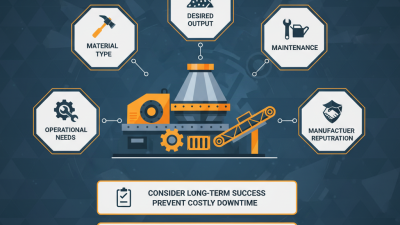
Selecting the right Chinese hammer crusher manufacturer requires more than comparing online prices. Start with your material, feed size, moisture, hardness, and required output. A reliable supplier should explain how rotor speed, hammer weight, grate spacing, and discharge design match those conditions. Ask for a process drawing and a capacity calculation based on your actual feed, not an ideal laboratory sample.

Inspect the factory’s engineering process. Request photos of rotor balancing, welding areas, heat treatment, and final assembly. Check whether key parts have traceable inspection records. Ask for a running test with your material or a closely comparable sample. Test data should show throughput, power use, product size, and noise levels. Do not guess. Small details matter.

Wear-part design deserves careful attention. Confirm hammer material, replacement time, liner thickness, and the availability of spare parts near your site. A low purchase price can become expensive after repeated shutdowns. Speak with recent customers and ask about delivery accuracy, installation support, response time, and warranty handling. Written technical documents are stronger evidence than polished sales claims. One weakness remains: no remote evaluation is perfect. Factory visits, independent inspection, and clear acceptance standards can reduce that uncertainty before payment and shipment.