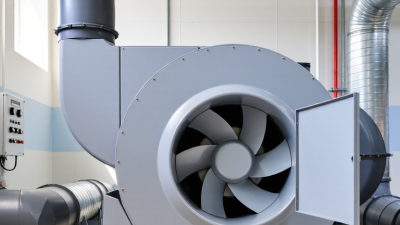
Selecting a centrifugal exhaust fan is not just a matter of comparing airflow ratings. The right choice depends on system resistance, operating temperature, noise limits, available space, and maintenance needs. A fan that performs well in a clean workshop may struggle in a process handling dust or moisture. Small details matter.
This overview of the Top 10 Centrifugal Exhaust Fan Manufacturers Worldwide introduces companies with established experience in industrial ventilation and air-moving equipment. It considers practical factors such as product range, engineering support, manufacturing capability, efficiency information, and access to replacement parts. These points can help facility managers, engineers, and procurement teams build a shortlist. They do not replace a project-specific review.
There is no universal ranking that fits every application. Public product information varies, and manufacturers serve different regions and industries. Some strengths are easier to verify than others. That deserves caution. Before choosing a supplier, compare certified performance data with the actual system requirements, and confirm service coverage where the fan will operate. The list is a starting point, not a final specification. A careful selection may take longer, but it can prevent costly mismatches between fan performance and real operating conditions.
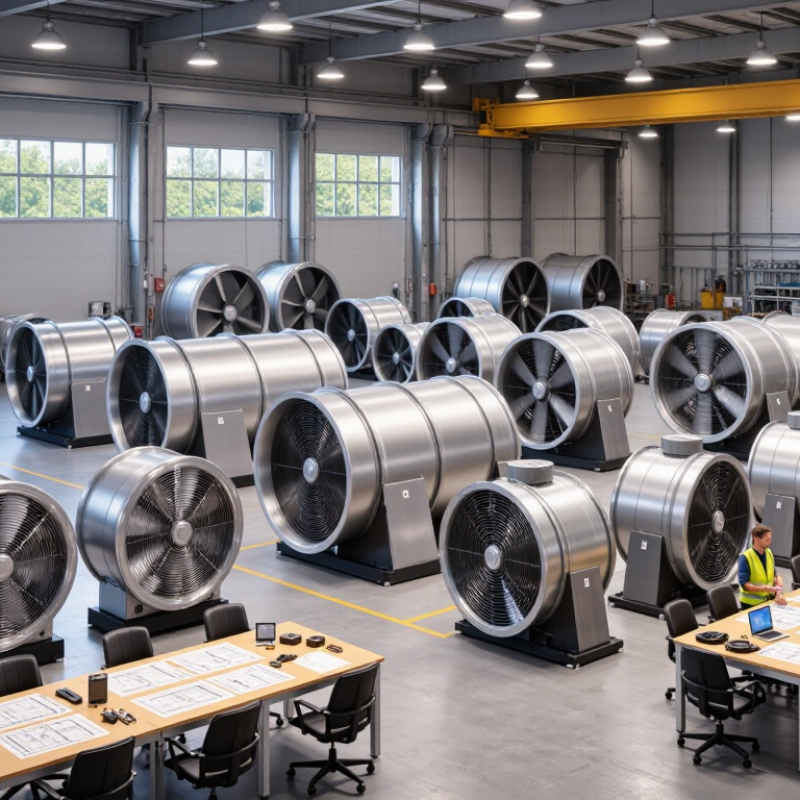
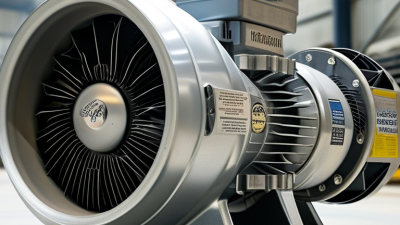
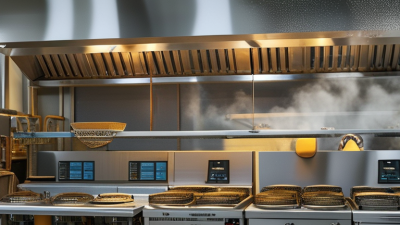
Centrifugal exhaust fans move air by drawing it into a rotating impeller and directing it outward through a housing. This design creates pressure for ductwork, filters, and other flow resistance. It suits factories, workshops, and commercial kitchens where fumes, heat, or dust need controlled extraction. Selection depends on airflow, static pressure, temperature, and contaminant characteristics. A fan that moves enough air in an open test may underperform once connected to long ducts or loaded filters. Details matter.
The U.S. Department of Energy’s Improving Fan System Performance sourcebook estimates that fans use about 7% of U.S. electricity. That figure covers fans broadly, not exhaust systems alone, but it shows why operating efficiency deserves attention. Compare performance at the required duty point, not only maximum airflow. Check motor efficiency, impeller material, noise, maintenance access, and whether the unit can handle the expected air stream. Independent performance ratings and documented test conditions make comparisons more dependable.
Tips: Record airflow and pressure before purchase. Allow for filter loading and duct losses. Ask for test data at your actual operating point. A small mismatch can mean persistent noise, weak extraction, or higher energy use. Even careful calculations need field checks.
How to Evaluate Centrifugal Exhaust Fan Manufacturers
A centrifugal exhaust fan must match the duct system, not just the airflow target on a catalog page. Ask manufacturers for a certified performance curve showing airflow, static pressure, speed, and power. Compare the proposed duty point with the curve; a fan selected near its limit may struggle when filters load or duct resistance rises. The International Energy Agency reports that electric motor systems use about 53% of global electricity, making motor efficiency and operating controls relevant to long-term cost. That figure covers many applications, not fans alone. Request test documentation, materials specifications, noise data, and details on balancing and vibration checks. Clear answers matter. A polished brochure is not proof.
Tips: Share the real duct layout, operating hours, air temperature, and contaminant characteristics before requesting a quote. Check whether the supplier can explain installation clearances, maintenance access, and how performance was verified. Compare lifecycle energy and service needs, not purchase price alone. Even experienced buyers can overlook access for cleaning; that detail is easy to regret later.
References: IEA, Energy Efficiency 2023; U.S. Department of Energy, Improving Fan System Performance: A Sourcebook for Industry.
Use these ten criteria to compare shortlisted manufacturers. Product capabilities vary by model and configuration; verify every specification against the proposed fan, test report, and project requirements.
| Evaluation dimension | What to compare | Evidence to request | Evaluation guidance |
|---|---|---|---|
| 1. Airflow and pressure range | Volume flow rate and static or total pressure at the required operating point. | Model-specific fan curve, duty point, and selection sheet. | Confirm the proposed duty point is within the published operating range and suitable for the system resistance. |
| 2. Performance test basis | How airflow, pressure, power, and efficiency ratings were determined. | Test reports identifying the method, setup, instrument calibration, and tested configuration; ISO 5801 or an applicable AMCA test method may be relevant. | Check that the test method and configuration match the quoted ratings and project specification. |
| 3. Efficiency and energy use | Fan input power and efficiency at the actual operating point, including motor and drive losses where applicable. | Power curve, motor datasheet, and stated efficiency calculation basis. | Compare energy use at the same duty point, not only maximum or peak efficiency. |
| 4. Operating temperature and gas compatibility | Permitted air temperature, humidity, dust loading, and compatibility with the conveyed gas. | Manufacturer limits for the selected materials, bearings, seals, motor, and arrangement. | Treat temperature and chemical compatibility as configuration-specific; obtain written confirmation for the intended service. |
| 5. Materials and corrosion protection | Casing and impeller material, coating system, and suitability for the installation environment. | Material specifications, coating data, and preparation/application details; ISO 12944 can be used as a framework for protective paint systems in corrosive environments. | Match material and coating selection to the actual exposure category and maintenance plan. |
| 6. Noise and vibration | Sound data, vibration limits, and provisions for balancing and isolation. | Sound test conditions and vibration or balance records for the supplied assembly; ISO 13347 provides methods for determining fan sound power levels. | Compare sound data only when measurement conditions and installation assumptions are comparable. |
| 7. Motor, drive, and electrical fit | Motor rating, voltage, frequency, enclosure, starting method, and variable-speed drive compatibility. | Motor nameplate data, wiring diagram, and confirmation of applicable electrical requirements, such as IEC 60034 where specified. | Verify the complete motor and drive package against the site supply and control system. |
| 8. Construction, safety, and maintainability | Guards, access for inspection, drainage, service clearances, and replacement of wear components. | General arrangement drawing, maintenance instructions, parts list, and applicable safety documentation. | Review the fan as installed, including access, guarding, and safe isolation provisions. |
| 9. Quality controls and traceability | Inspection and test stages, component traceability, and handling of nonconformities. | Quality-system certificate scope, inspection and test plan, and sample production records. | Check that certificates are current and cover the facility and product scope relevant to the quotation. |
| 10. Delivery, warranty, and support | Quoted lead time, warranty terms, spare-parts availability, commissioning, and service coverage. | Written delivery schedule, warranty conditions, spare-parts list, and service response commitments. | Compare total lifecycle support and contractual exclusions, not just the initial purchase price. |
Note: Standards and certification requirements depend on the application and jurisdiction. Confirm the current applicable edition and required scope with the project engineer and supplier.
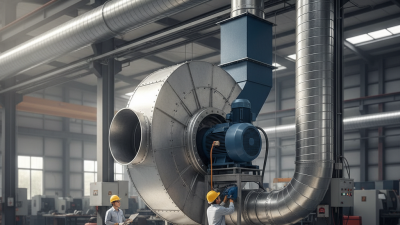
Leading centrifugal exhaust fan manufacturers worldwide distinguish themselves through engineering depth, not catalog size alone. The International Energy Agency’s 2011 report, Energy-Efficiency Policy Opportunities for Electric Motor-Driven Systems, estimates that electric motor-driven systems use about 45% of global electricity. That figure covers many applications, not fans alone, but it explains why efficient motors and well-matched impellers matter. In a plant, a poorly selected fan can waste power every hour while struggling against duct resistance, dust, or changing airflow demand.
Strong manufacturers provide verified performance curves, stable operating ranges, and clear material specifications. Look for test methods aligned with recognized fan standards, and compare efficiency at the actual duty point rather than at a convenient catalog rating. Sound data matters too: a unit that meets airflow needs but creates persistent noise may require costly changes to ducts or supports. These details are easy to overlook. Published reports rarely compare every global supplier on equal terms, so claims of a definitive worldwide top ten deserve scrutiny. A practical evaluation should weigh test evidence, service access, corrosion resistance, and documented performance after installation.
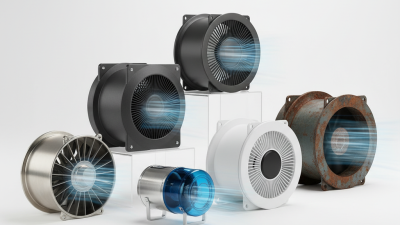
Choosing a centrifugal exhaust fan manufacturer involves more than comparing airflow figures. Product ranges may include compact roof units, belt-driven systems, and heavy-duty fans for demanding processes. Check how each design handles temperature, dust, moisture, and corrosion. A fan that performs well in a clean workshop may struggle near a process line. Ask for performance data at your required operating point, not only peak capacity. Small details matter: motor access, casing thickness, vibration control, and replacement-part availability.
Tips: Compare manufacturers across products, markets, and capabilities. Look for experience in applications similar to yours, such as commercial kitchens, factories, or laboratories. Confirm whether the supplier can support installation, commissioning, and maintenance in your region. Request references or case details where available. Clear documentation is a good sign. So is a realistic service plan.
Market reach can indicate experience with different operating conditions, but it does not prove a fan suits your site. Capabilities also vary: some manufacturers offer custom materials, acoustic options, or engineering support; others focus on standard models. Compare warranty terms, test methods, delivery schedules, and technical response times. One comparison can still miss something. Noise limits, duct resistance, and changing workloads are easy to underestimate, so review assumptions with a qualified ventilation engineer before selecting equipment.
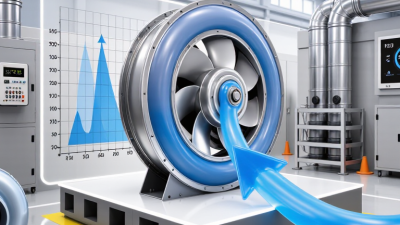
This chart shows the fan laws, not company-specific performance: for the same fan, airflow varies with speed, pressure with speed squared, and power with speed cubed. Values are normalized to 100% at the reference speed; actual results depend on the fan and system.
Factors to Consider When Selecting a Manufacturer
Choosing a centrifugal exhaust fan manufacturer starts with the job site, not the catalog. Note the airflow and static pressure your system requires, then check whether the manufacturer can provide performance data for that operating point. Ask about fan materials, corrosion resistance, motor options, and temperature limits. A fan that looks suitable on paper may struggle when ducts, filters, or tight bends increase resistance.
Reliability also depends on what happens after delivery. Look for clear installation guidance, available replacement parts, and a realistic service response time. Ask how each unit is tested and whether test records can be supplied. Small details matter: a clearly labeled wiring diagram can save time during commissioning. Certifications are useful, but confirm that they apply to the specific model and configuration you are buying.
Tips: Share a simple duct layout and operating conditions when requesting a quotation. Compare noise data at the expected duty point, not just the lowest published figure. Check lead times and warranty terms in writing. Then speak with a technical contact about an actual selection. The conversation may reveal gaps in your requirements; that is useful, even if the first choice needs another look.