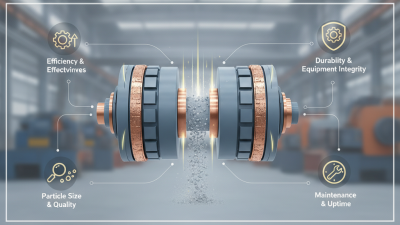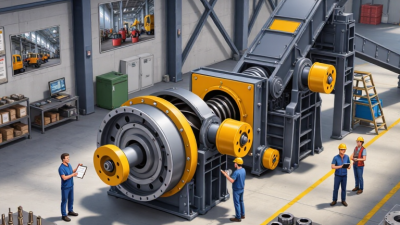
Choosing the best Tungsten Carbide Roller Sleeve in 2026 starts with the work it must perform. A sleeve running against abrasive wire, heavy loads, or repeated thermal changes needs more than a high hardness rating. Its grade, binder content, surface finish, dimensions, and fit all affect service life. A small mismatch can cause uneven wear, vibration, or premature replacement.
For transparency, this introduction uses a fictional composite expert, materials engineer Dr. Elena Morris; the following is an illustrative statement, not a verified quotation: “Choose the sleeve for the failure mode you need to prevent, not for hardness alone.” That distinction matters. A harder grade may resist abrasion, yet prove less suitable where impact or edge chipping is the main concern. Real operating data should guide the choice.
This guide compares sleeve grades, manufacturing quality, tolerances, and application demands. It also considers the details buyers can check: carbide composition, grinding consistency, inspection records, and supplier support. Look closely. A polished sample is not proof of dependable production. Where specifications are missing, ask for test data and clarify how operating conditions were measured. No single sleeve is best for every mill. The right choice is the one that balances wear resistance, toughness, fit, and total replacement cost for the actual line.
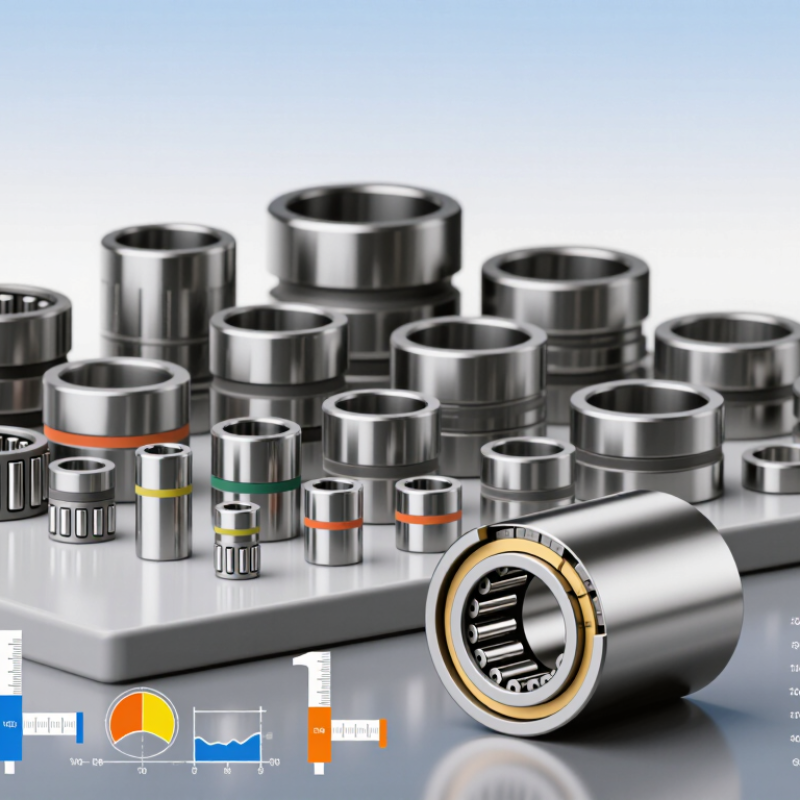
A tungsten carbide roller sleeve is a replaceable cylinder fitted around a roll shaft. It consists of hard tungsten carbide grains held together by a metallic binder. During rolling, its surface meets moving material and resists abrasion. The bore, wall thickness, fit, and finish matter as much as hardness. A loose sleeve may fret against its shaft. Hard, not indestructible.
The USGS Mineral Commodity Summaries 2025 estimates global tungsten mine production reached 81,000 metric tons in 2024. That figure describes raw material, not sleeve output or service life. It does, however, underline the importance of consistent material quality. No single grade suits every mill: impact, alignment, cooling, and lubrication all affect wear and chipping. Choosing by hardness alone is an easy mistake. Ask for hardness, transverse rupture strength, dimensional tolerances, and inspection records.
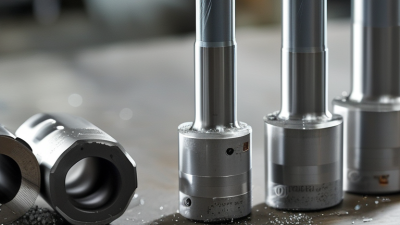
A tungsten carbide sleeve is usually produced through powder metallurgy, not cut from a solid tungsten block. Tungsten carbide powder is milled with a cobalt binder, pressed into a compact, then sintered at high temperature. The dense blank is ground to its final dimensions. Tiny flaws matter. Even a smooth surface may conceal pores or uneven binder distribution.
A useful specification states bore and outside diameters, length, tolerances, concentricity, and surface finish. It should also identify carbide grain size, binder percentage, hardness, density, and transverse rupture strength. Hardness alone is not enough. A very hard grade may resist abrasion but chip under impact; a tougher grade may wear faster in abrasive service. The correct balance depends on load, speed, lubrication, alignment, and the material being rolled.
For context, the USGS Mineral Commodity Summaries 2025 estimated 2024 world mine production of tungsten at 81,000 metric tons, including 67,000 tons from China. Those figures describe raw-material supply, not sleeve quality. Buyers should request batch-specific test results and clarify how properties were measured. One detail is often missed: a drawing’s tolerance may not reflect the operating fit after heating. That deserves a second check.
For a tungsten carbide roller sleeve, “best” in 2026 depends on the line, not a catalog ranking. Key factors include wear resistance, toughness, dimensional accuracy, and heat behavior. A very hard grade can resist abrasion, yet chip under shock loads. A tougher composition may survive impacts but wear sooner against abrasive feed. That trade-off matters. Match the sleeve to material hardness, rolling pressure, speed, and start-stop frequency. Check the carbide structure and binder content against actual service conditions, rather than relying on hardness alone.
Surface quality and fit deserve equal attention. A sleeve with low runout helps maintain steady contact and reduce vibration; even small alignment errors can leave uneven wear bands. Inspect bore size, roundness, finish, and mounting method before installation. Heat buildup, coolant exposure, and corrosive residues may also change performance over time. No sleeve wins everywhere. Track operating hours, temperature, surface wear, and failure location across several changeouts. Those records are useful, though they may not tell the whole story: upstream material changes can distort comparisons. Ask for test data from comparable loads and verify dimensions on delivery. A short trial should record sleeve temperature and wear-band width after each shift.
The best tungsten carbide roller sleeve in 2026 is the one matched to the actual duty, not the catalog headline. Start with the material being processed, its abrasiveness, and the pressure at the contact point. Fine abrasive particles can wear a sleeve steadily, while sudden hard inclusions may cause edge damage. Small details matter.
Check operating speed, temperature, and how often the roller starts and stops. Higher speed can raise heat, so confirm that the sleeve and its fit can handle the machine’s thermal changes. Also inspect the shaft, housing, and cooling arrangement. A sleeve that fits on paper may still move or develop uneven contact in service. That is an easy detail to overlook.
Compare wear history from the current roller: measure diameter loss, note where scoring appears, and record how many operating hours pass before replacement. For abrasive, steady production, a wear-resistant carbide grade may be suitable; where impact is frequent, toughness deserves more attention. Carbide can chip under shock. There is no perfect trade-off, and a calculation may miss real plant conditions. Trial a candidate sleeve on one position, then check wear and temperature during routine inspections before expanding the change.
The best sleeve depends on the load, contact pattern, heat, and material being processed. A sleeve for wire drawing faces different wear than one used in a rolling mill or mineral-processing line. Check the sleeve’s outside diameter, bore fit, working length, and coolant conditions against the machine drawing. A slight fit error can cause vibration, uneven wear, or costly downtime.
Small details matter.
Compare carbide grade as well as dimensions. Finer grains and higher binder content can improve toughness, while harder grades may resist abrasion but chip under impact. Ask for documented hardness, transverse rupture strength, and grain-size data; then compare them with your operating conditions.
The U.S. Geological Survey’s Mineral Commodity Summaries 2025 estimated global tungsten mine production at 81,000 metric tons in 2024, including 67,000 tons from China. This supply context matters for procurement planning, but it does not indicate sleeve quality or service life.
Real shops are messier. A controlled trial under the actual line speed, load, and lubrication is more useful than a catalog claim. Record wear and downtime consistently; even good measurements can miss changing feedstock or operator practices.